
The World Cup’s quarterfinals are underway and the trophy is starting to feel within reach for any team left in contention. This is exactly the kind of scenario that the United States would love to find itself in, preparing for a monumental final-eight clash, having kept national excitement at a fever pitch and its dramatic run alive.
Instead, we are left to wonder what might have been.
The reality is that the United States did not have a bad World Cup, and that is what makes things so difficult to evaluate. They won the games they were supposed to win. They gave the country moments to celebrate. And for much of their run, it felt like this group was ready to take the next step.
Before and after the 4-1 statement win against Paraguay in the opener, Mauricio Pochettino asked: “Why not us?” That line landed because the performance had made people believe it. It was not empty optimism. Instead, it was rooted in what we had watched.
Get free access to the most comprehensive World Cup coverage in The Athletic app
Beating Australia strengthened that belief. The U.S. looked like a team with structure, confidence and conviction. The Turkey match felt different, but with 10 changes and the group already won, it was easy to view as a minor bump in the road. Players who came in did not do enough to force their way into the lineup, and once the starters returned against Bosnia and Herzegovina, so did the energy and confidence.
It felt like the tournament was building toward something. But then came Belgium.
The stage was set to do something special and push the sport further into the American mainstream.
Instead, in the biggest match of this generation, the USMNT did not show up.
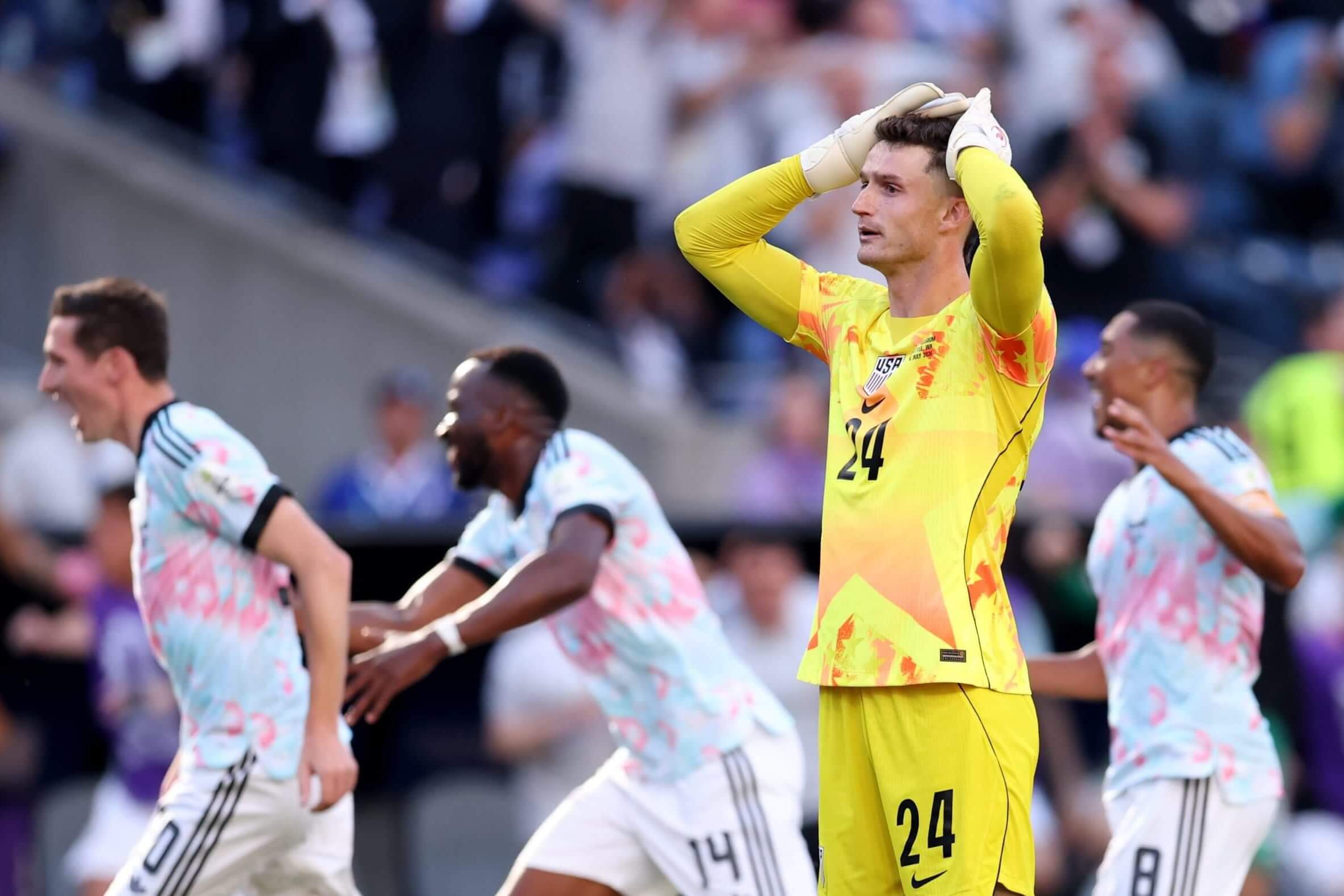
Goalkeeper Matt Freese’s error helped Belgium into a 3-1 lead that proved impossible for the U.S to recover from. (Luke Hales/Getty Images)
That is the truth this tournament leaves behind. When the stage got bigger, the energy, intensity and fight were not there. And that cannot be ignored.
Plenty of players had moments where they deserved real credit but the team also fell flat in the game that mattered most.
For this column, I have separated the players into tiers, from those who drove the team forward to those who were steady, some who shined in flashes, and some players who did not meet the moment.
As for the manager, when U.S. Soccer hired Pochettino, a coach with his résumé, reputation and salary, the expectations changed. Reaching at least the last eight had to be the benchmark. Instead, he maxed out, results-wise, where each of the last four predecessors did. The U.S failed to impose itself physically, emotionally or tactically in the biggest game of the cycle. Yes, the floor of the program has risen, but not enough. That is the complicated legacy of this World Cup.
Let me be clear: I am proud of this group and what they gave this country at this World Cup. They inspired young players from coast to coast, but pride does not erase disappointment. And at a World Cup, one bad game can become the end of your tournament. Here’s a closer look at each of the players who had a hand in the events of the last month.
Tier 1: The Ones Who Drove Belief
Malik Tillman
Weighed in with two goals and an assist, showcasing his talent on this stage. What surprised me most was his defensive work. The 24-year-old’s tackling, ball-winning, and pressing were outstanding. His performances showed just how much he has matured and how far he has progressed at the international level. His free-kick ability was a huge bonus and his creative play highlights his capacity to change games, whether from open play or from set pieces.
Alex Freeman
Freeman is an exceptional athlete, but what also stood out was how much confidence he developed carrying the ball out of the back. When a defender can break lines with the dribble, that’s a very impressive and unique quality—especially for an American. The 21-year-old produced a goal and assist and for Pochettino, he has always done well, so I’m not shocked to have him in this top bracket. What did surprise me was just how consistently excellent he was.
What’s next for Mauricio Pochettino?
Tom Bogert and Lia Griffin
Folarin Balogun
He became the poster boy of the team and the biggest talking point — but set the tone for the tournament. Two goals against Paraguay immediately established him as one of the biggest attacking threats. Against Australia, his pace and movement were crucial. His run that created the opening own goal was a perfect example of how he can impact games beyond scoring. His tournament was complicated by the controversial red card against Bosnia. I still believe it was wrong and that the VAR system was not used correctly, but the decision made him the scapegoat. Balogun became a player Belgium was determined to stop.
In that final game, the 25-year-old was isolated more than ineffective. As a striker, he relies on service. The U.S. struggled to create consistent attacking opportunities. That performance does not erase what he showed throughout the tournament, so he remains firmly in the top tier.
Weston McKennie
Across the first four games, the 27-year-old was as consistent as I’ve seen him. Fearless, composed on the ball, decisive with his passing. He was one of the team’s leaders. His movement into open channels was excellent and he was also outstanding in transition, winning the ball back and disrupting passing lanes. His Belgium performance was disappointing and threatened to drop him into the second tier. But his influence across the other matches outweighs one performance.
Tier 2: Reliable Contributors
Tyler Adams
A sensational leader of this team—not just through his performances, but through communication and ability to set the standard. He handles pressure with maturity and plays with the mindset that he’ll do whatever it takes to win. Against Paraguay and Australia, he was excellent. He returned strongly against Bosnia with an outstanding statistical performance. Against Belgium, he could have been more aggressive in organizing the press and keeping the team higher up the field. He wasn’t poor, but he was just below the level required in the biggest match.
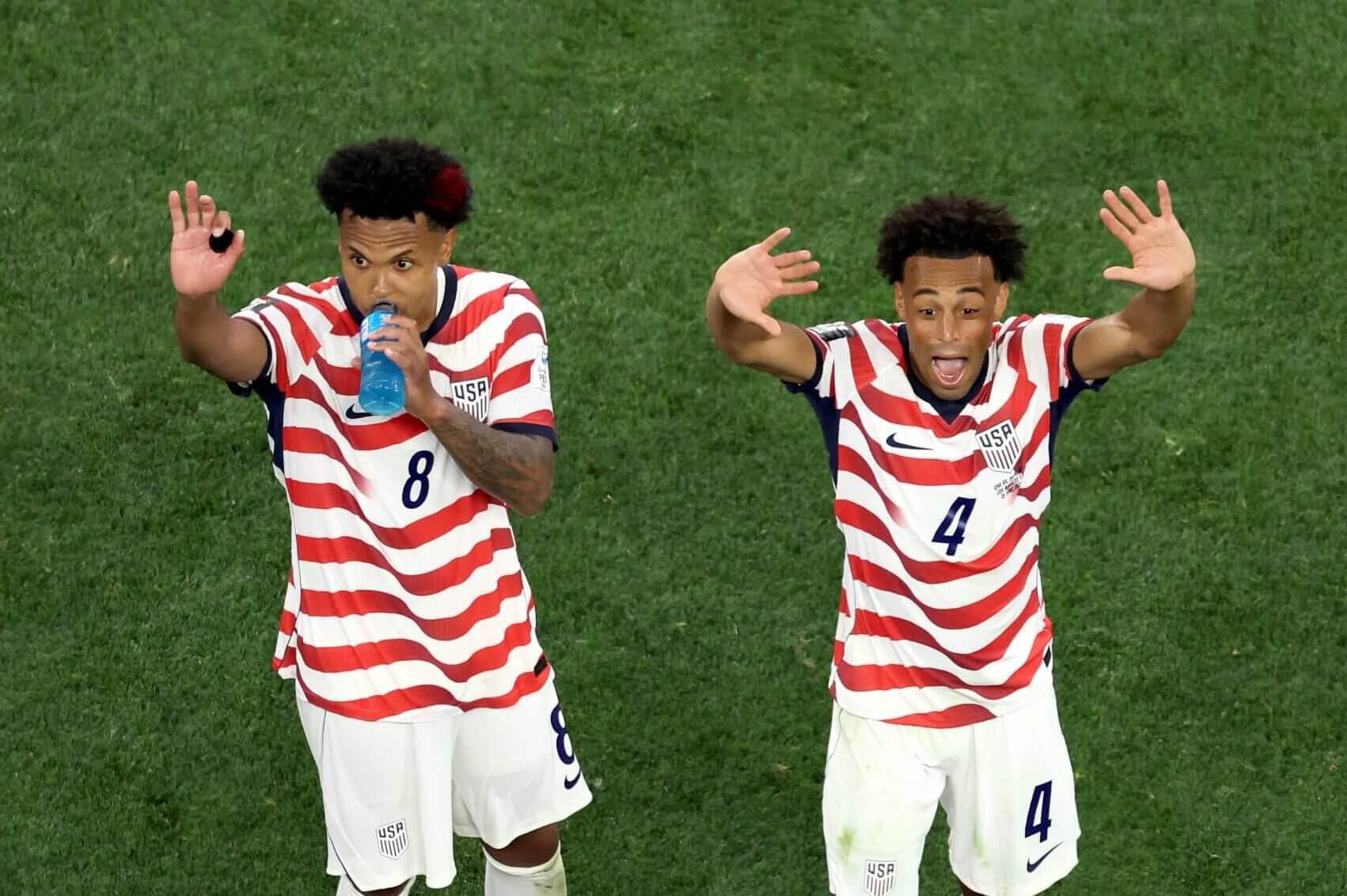
Tyler Adams and Weston McKennie had helped form an impressive midfield with Malick Tillman until the Belgium game. (Harry How/Getty Images)
Sebastian Berhalter
From an attitude and mentality standpoint, he was top tier throughout the tournament. There was never any doubt about the 25-year-old’s commitment. It took him a few minutes to settle into that first match after coming on for Christian Pulisic, but once he did, he was very solid. He registered a goal — and a great one at that — and an assist in the tournament, and he was a real net positive. The only reason I don’t have him in the top tier is that he didn’t play enough.
Chris Richards
He didn’t arrive at full fitness but was part of a back line that conceded only one goal across the three matches he played before Belgium. Admittedly, defenders weren’t asked to deal with a huge number of difficult situations, but when they were called upon, he handled them well.
The Belgium match changes the evaluation. There were too many mistakes for the performance not to have a significant impact on the overall grade. Belgium didn’t even start with a traditional No. 9, yet they still found success. And the final goal, where Romelu Lukaku scored after Richards’ mistake, has to factor in.
Antonee Robinson
When you compare Robinson to elite players in his position, you start to see the difference. Top left backs aren’t just outstanding athletes who overlap and attack space—they’re also capable of dribbling in tight areas, varying their play, and creating solutions when opponents take away their preferred strengths. That’s the next step for Robinson.
Belgium seemed to know exactly what was coming and made his biggest strengths redundant. It’s frustrating because the 28-year-old is so close to reaching that elite bracket.
Tier 3: Flashes But Not Enough
Gio Reyna
When he came off the bench against Paraguay and scored a golazo, it couldn’t have been a better moment for him or his family — especially considering everything that happened around the last World Cup. I was genuinely happy for him, but that ended up being the high point of the 23-year-old’s tournament. You expected that moment to spark something more, but it never really did.
Sergiño Dest
He has always looked capable of reaching a world-class level and he was superb at the start of the tournament. Ultimately, his evaluation comes down to what happened against Belgium. It was probably the worst performance I’ve ever seen from him.
When you’re substituted at halftime in a game where almost everyone on the team is struggling, that tells you something. The disappointing performance against Belgium had a huge impact on his overall tournament rating. “Underwhelming” doesn’t even begin to describe it.
Austin Trusty
He was incredibly consistent. When he got his opportunity against Turkey, he didn’t just play well — he stood out. And scoring the goal was a great moment. To see where he is now is incredibly impressive and he showed exactly the heart and desire you want in players representing the country.
Tier 4: Did Not Meet The Moment
Christian Pulisic
If he was going to have a legacy-defining moment, the Belgium game was the one. Instead, it was probably the worst performance I’ve seen from him. It wasn’t simply about not scoring. It was the decision-making, the turnovers, the inability to influence the game, and the number of attacks that broke down with him.
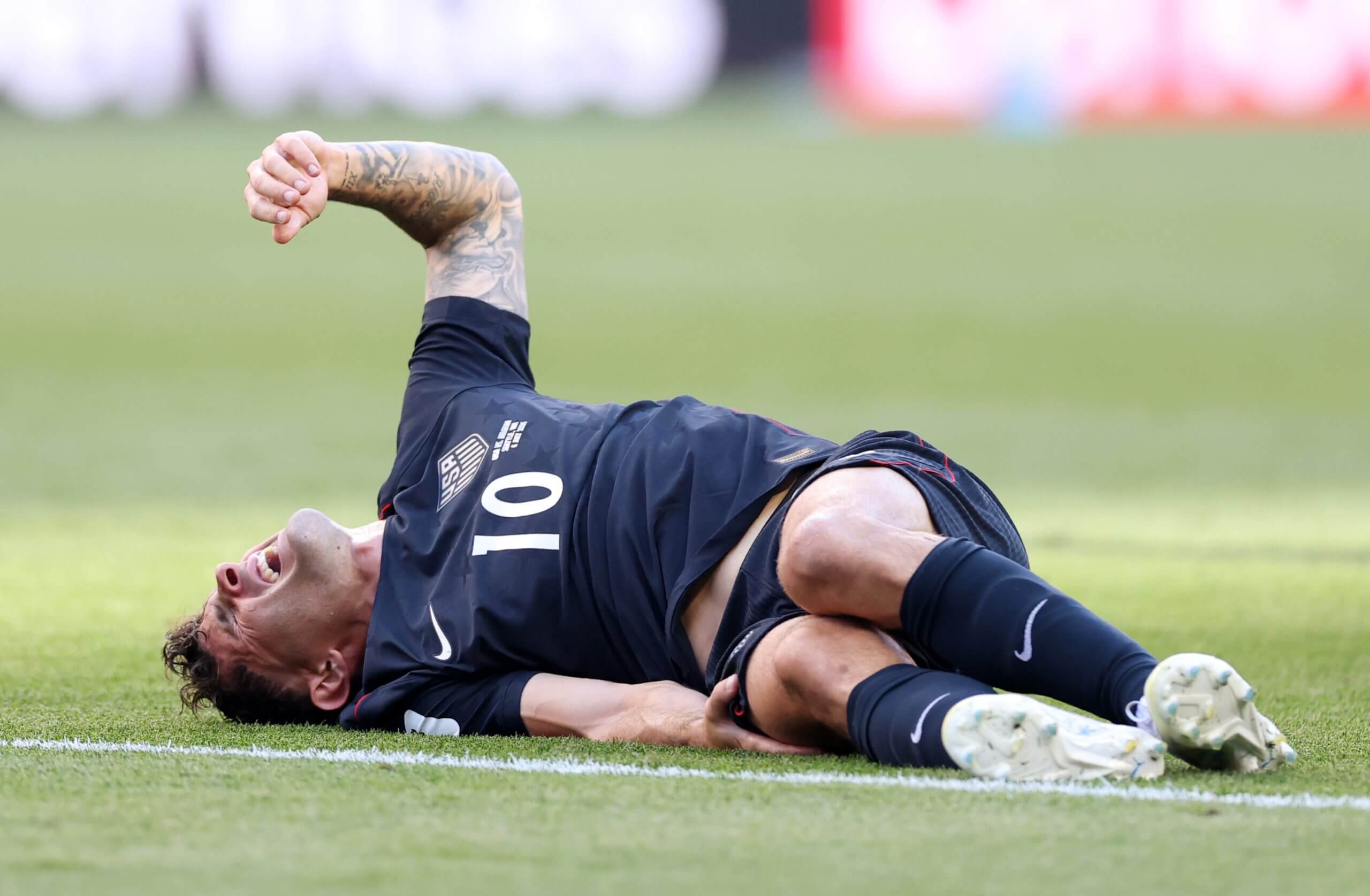
Form and fitness evaded Christian Pulisic when the team needed him most against Belgium in Seattle. (Carl Recine/Getty Images)
The performance matters when discussing his legacy. The question has always been whether he can surpass Clint Dempsey and Landon Donovan as the greatest American men’s player. Those two built their reputations through consistent impact for club and country.
Christian still has time to add to his story — he’ll be 31 at the 2030 World Cup — but this was a major opportunity he didn’t take. Monday was truly a bad night for him on every front, especially now we know he sustained a microfracture and bone bruise that will keep him out several weeks.
This grade is difficult to give. It’s not ignoring everything he’s done for the national team — it’s recognizing that, in a defining moment, he didn’t reach the standard expected.
Tim Ream
Pochettino planted his flag with Ream. He was the player the coach trusted most and was named captain. But with a player of Ream’s age (38), you have to put him in situations that fit his strengths. The earlier games suited him, but in the one meeting with elite opposition, almost every important moment went against him.
It’s important to recognize what he’s accomplished, especially as the oldest USMNT World Cup player ever. But your body eventually stops doing some of the things you want it to do and, against opponents with pace, players who can attack one-on-one, and forwards who put you under constant pressure, those limitations become harder to hide.
Ricardo Pepi
Pepi never found his best level, and the frustrating part is that we know the ability is there. It felt like a confidence and rhythm issue to me, rather than a lack of talent. Even when he started against Australia, he didn’t produce the kind of performance that would make Pochettino reconsider the striker hierarchy. Instead of closing the gap on Balogun, he actually widened it.
Matt Freese
His horror moment on the third goal against Belgium will stay with him for the rest of his life. The challenge is accepting what happened, learning from it, and moving forward. He’s going to replay that mistake in his mind many times. In the other games he played, he had barely been tested. But then in the biggest game, going from 2-1 down to 3-1 against Belgium effectively ended the game — and the World Cup campaign. Few mistakes are more painful than that.
Tier 5: Missed Opportunity
Tim Weah
The regression in his standing within the team is surprising. He scored at the Bernabéu for Marseille in the Champions League last season. To go from that level to being a spectator at the World Cup is a huge drop-off. It was a combination of circumstances for him at the tournament: a tactical setup that didn’t suit him, limited opportunities, and a loss of confidence that prevented him from making the kind of impact people expected.
Brenden Aaronson
At Leeds United, he had some really positive performances but with the U.S. team, the structure worked against him. Once McKennie moved into that attacking midfield role alongside Pulisic, the flexibility and available roles became more limited. Aaronson’s biggest opportunity to make an impact came against Turkey, and while he worked hard, he didn’t provide enough quality in the final third.
Miles Robinson
Robinson came into the tournament already lacking form. He hadn’t looked sharp in the friendlies leading up to it, and the Turkey match only reinforced concerns. He gave the ball away, had poor touches, and made costly defensive mistakes. The performance justifies the tier he ends up in.
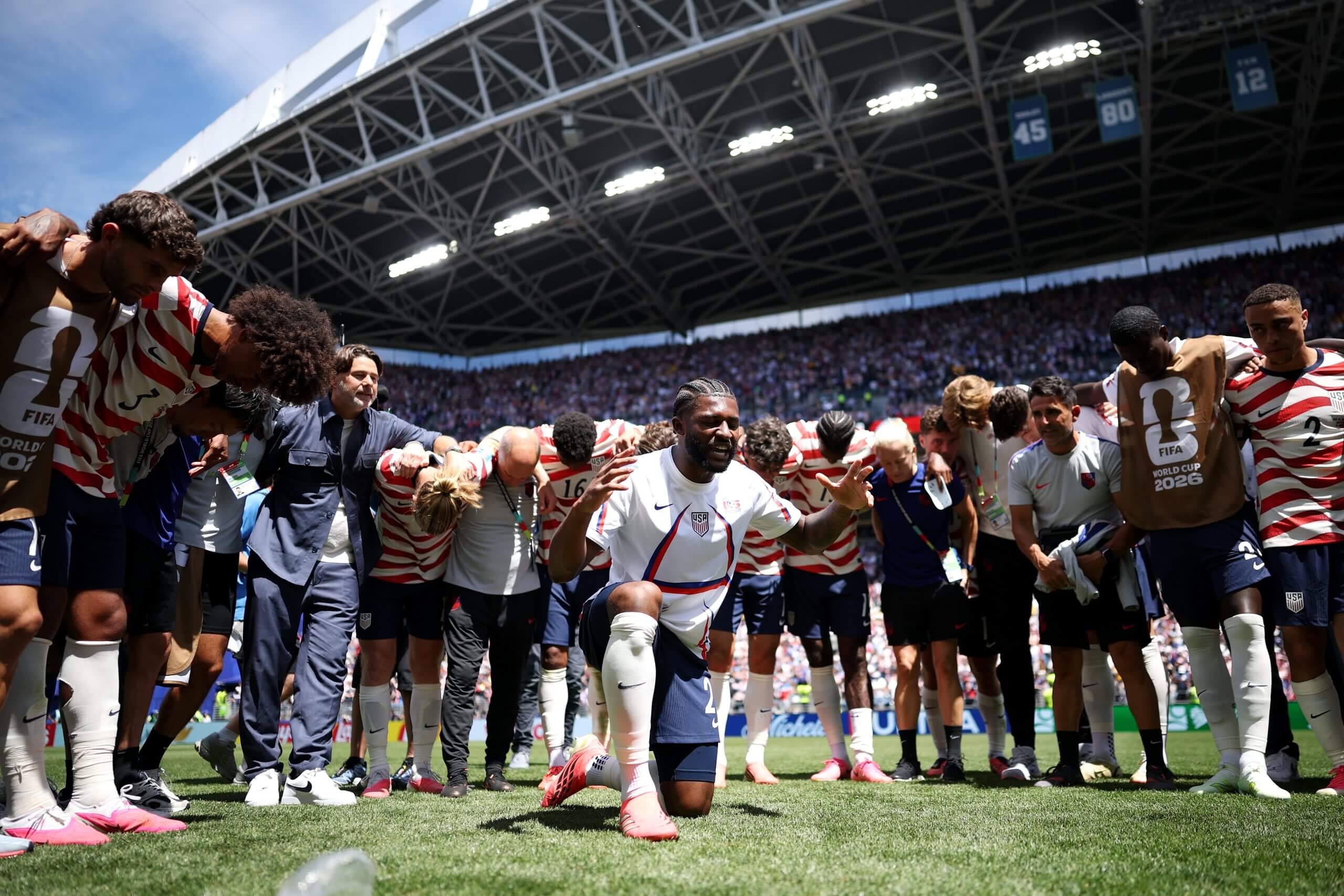
Mark McKenzie proved to be one of the USMNT’s leaders but failed to make a true impact on the field. (Jared C. Tilton – FIFA/FIFA via Getty Images)
Mark McKenzie
From what I understand, he arrived at the tournament carrying a knock and wasn’t able to fully recover. That limited his ability to make a real impact. That’s unfortunate because his influence goes beyond his minutes. Off the field, he’s one of the team’s leaders, and on it I hoped he would grow into a bigger role.
Joe Scally
I used to call him “Honest Joe.” He has always been the type of player who makes the safe decision. He makes safe passes and tends to look for the most comfortable and sensible option — the play with the lowest risk. The Turkey match was his opportunity to show that he could be more than a reliable squad player and become someone who could contribute at this level, but he didn’t take it.
Matt Turner
There was a major debate before the tournament and he is one of the players who probably feels most unfortunate about his role, because he had a legitimate argument to be the starter. The difference came down more to consistency and who had performed better under Pochettino. Ultimately, he went with Freese for the opening match, and when Turner got his opportunity against Turkey, he didn’t take advantage.
Players not graded (lack of playing time): Alejandro Zendejas, Haji Wright, Max Arfsten, Chris Brady, Cristian Roldan
Ultimately, the World Cup campaign showed what the USMNT and its players are capable of, while also highlighting that this country and its national team still have limitations when pitted against the world’s best. It was a few weeks that resembled a thrill ride at times, but, as we painfully found out, ended with a heavy jolt.