
Four teams remain at this summer’s World Cup, and that means our rankings odyssey is almost over. But not quite yet!
With the quarter-finals in the books, it’s time to update our rankings of the top 50 players at the tournament. These are informed by The Athletic’s player ratings model, which provides an objective assessment of each player’s contribution in a match.
The list will stay at 50 names and players will not simply vanish as their teams are eliminated in the knockout rounds, though they may well be leapfrogged by others who get more time to show what they can do on the World Cup stage.
Please feel welcome to direct your thoughts and complaints to the comments section:
1. Lionel Messi — Argentina/Inter Miami (same)
There were signs against Switzerland that this World Cup might be starting to catch up with his 39-year-old body, but Messi was still Argentina’s best player and created the opening goal. Does he have enough left in the tank to hold on to top spot?
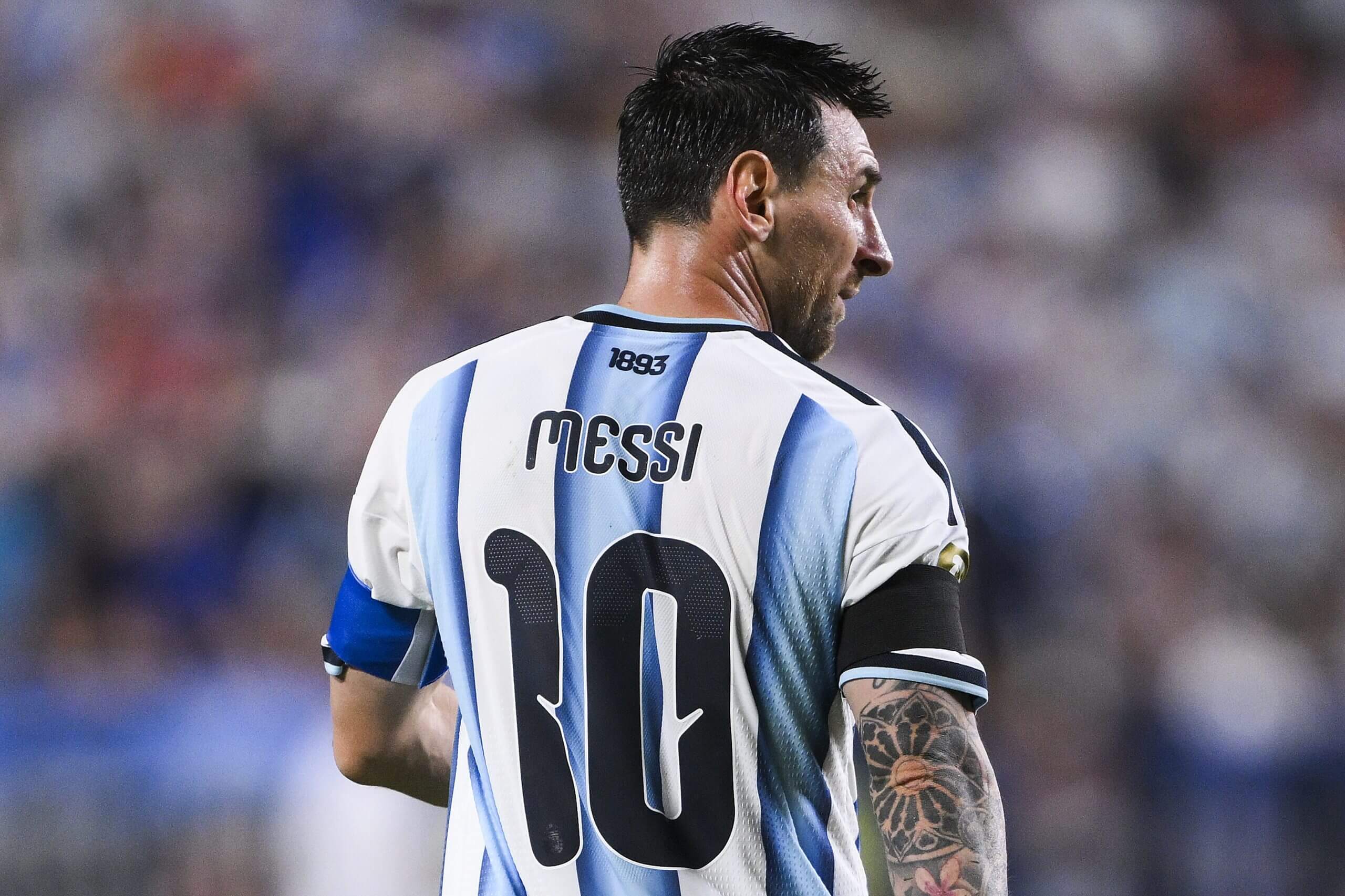
Lionel Messi tops our rankings (David Ramos/Getty Images)
2. Kylian Mbappe — France/Real Madrid (same)
Despite seeing an awful penalty saved by Yassine Bounou, Mbappe seemingly cannot be denied at this World Cup. His curler around Issa Diop was sublime and broke Morocco’s resistance. Doing it against Spain would further bolster his case.
3. Jude Bellingham — England/Real Madrid (+4)
Four goals in his last two knockout matches have tied Bellingham with Kane in the World Cup top-scorers chart. He is the primary reason England are in the semi-finals, and form suggests he will be the biggest threat to Argentina.
4. Harry Kane — England/Bayern Munich (-1)
Has taken something of a back seat to Bellingham since his DR Congo heroics, but Kane remains the smart, positional fluid fulcrum through and around which most of England’s best attacks flow.
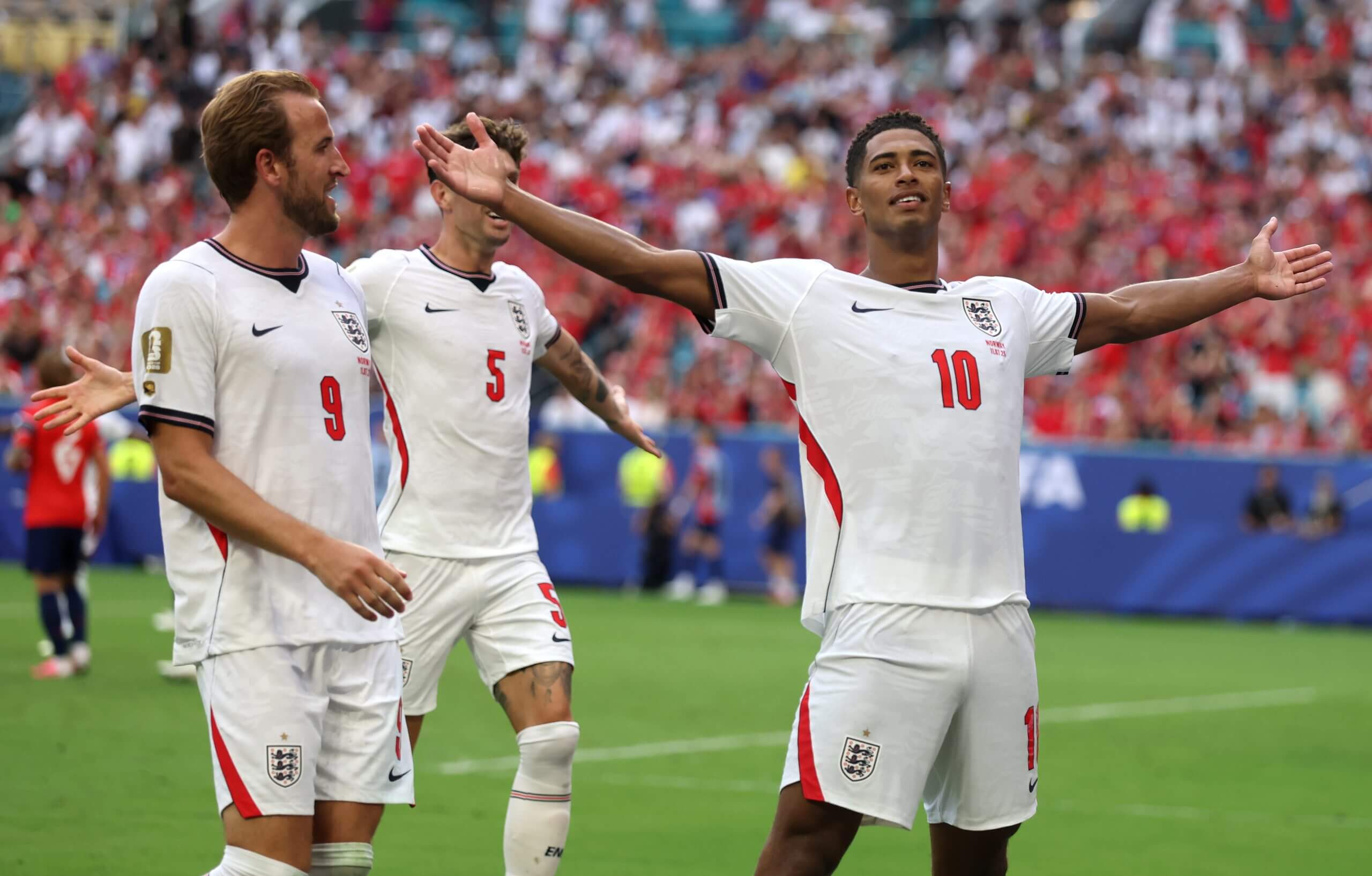
Harry Kane and Jude Bellingham have been key to England’s progress (Richard Pelham/Getty Images)
5. Erling Haaland — Norway/Manchester City (-1)
Shut down by the England defence as he failed to score for the first time in 21 international appearances. Haaland ran out of steam, but his remarkable feats and joyful swagger at this World Cup will live long in the memory.
6. Michael Olise — France/Bayern Munich (same)
Olise is still, incredibly, waiting for his first World Cup goal, but France’s outrageously overpowered attack does not need him to score. His creation is enough, and with the ball at his feet, he is the most beautiful player to watch in this tournament.
7. Ousmane Dembele — France/Paris Saint-Germain (+4)
Left or right foot, it matters not for Dembele, who scored his fifth goal of the World Cup to seal France’s victory over Morocco. His scoring has come more in spurts than the steady stream of Mbappe, but he is looking progressively more comfortable in his supporting role.
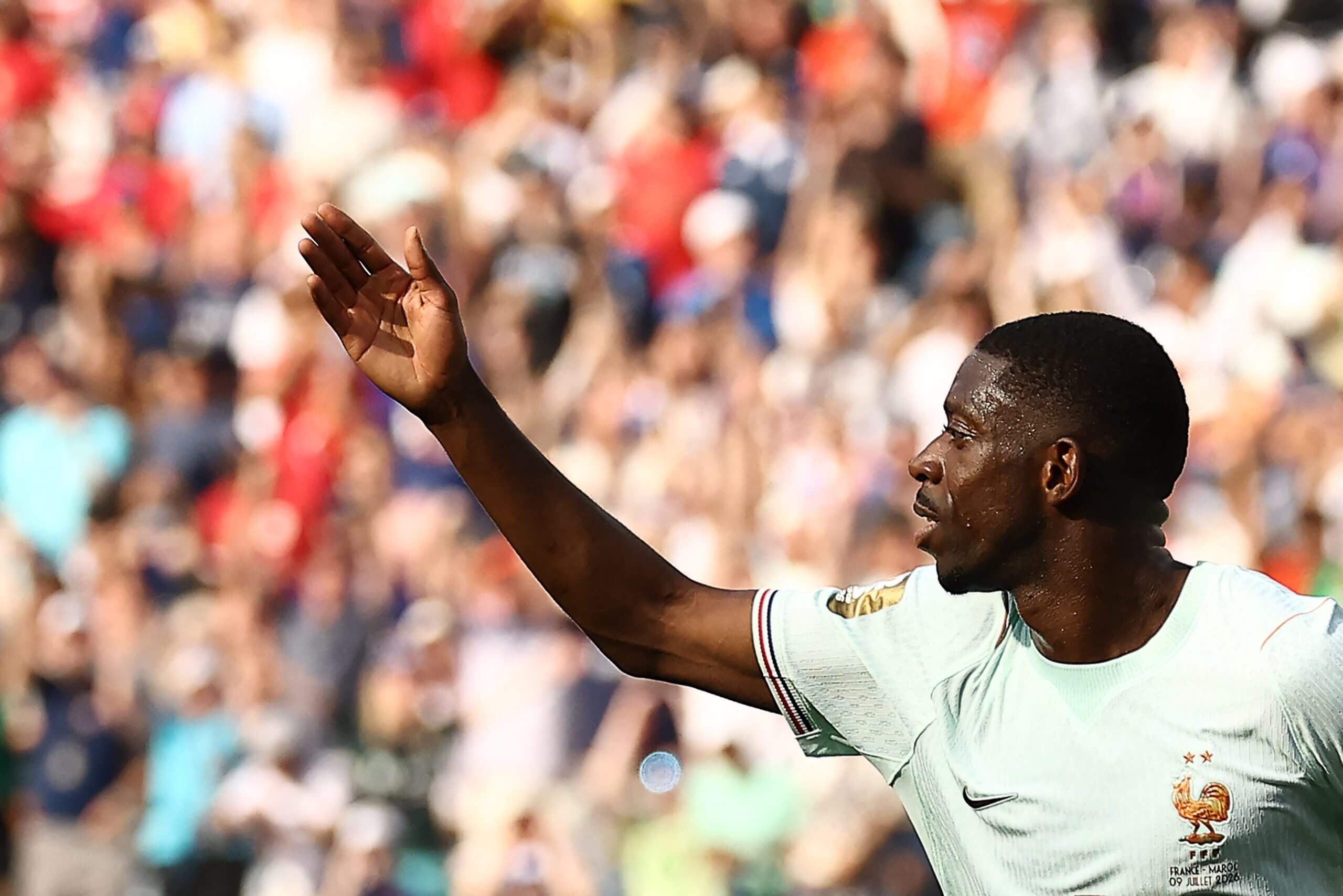
Ousmane Dembele has made his mark (Charly Triballeau/AFP via Getty Images)
8. Achraf Hakimi — Morocco/Paris Saint-Germain (-3)
Hakimi slips after he had his most ineffective game of a very impressive tournament against France, unable to carry his customary attacking threat down the right or fully shut down Desire Doue, Mbappe or Olise when they ventured into his zone of influence.
9. Vinicius Jr — Brazil/Real Madrid (-1)
Vini Jr was probably the Brazilian least deserving of elimination against Norway, and would have registered a sensational assist if Endrick had not fluffed his lines in the second half. Brazil have plenty of problems but he is not among them, and he goes home with his head held high.
10. Aymeric Laporte — Spain/Athletic Club (-1)
Spain’s formidable defence was finally breached by Charles De Ketelaere, and Laporte had to scramble to make sure it did not get worse late on against Belgium when Unai Simon made the rash decision to rush out of his goal. He kept a cool head and neutralised the danger.
11. Pau Cubarsi — Spain/Barcelona (-1)
Cubarsi was guilty of allowing De Ketelaere to nip in front of him to head Belgium level, but also set up Spain’s winner by uncorking the long-range shot that Senne Lammens could not keep from parrying out to the advancing Mikel Merino. This was another good overall performance.
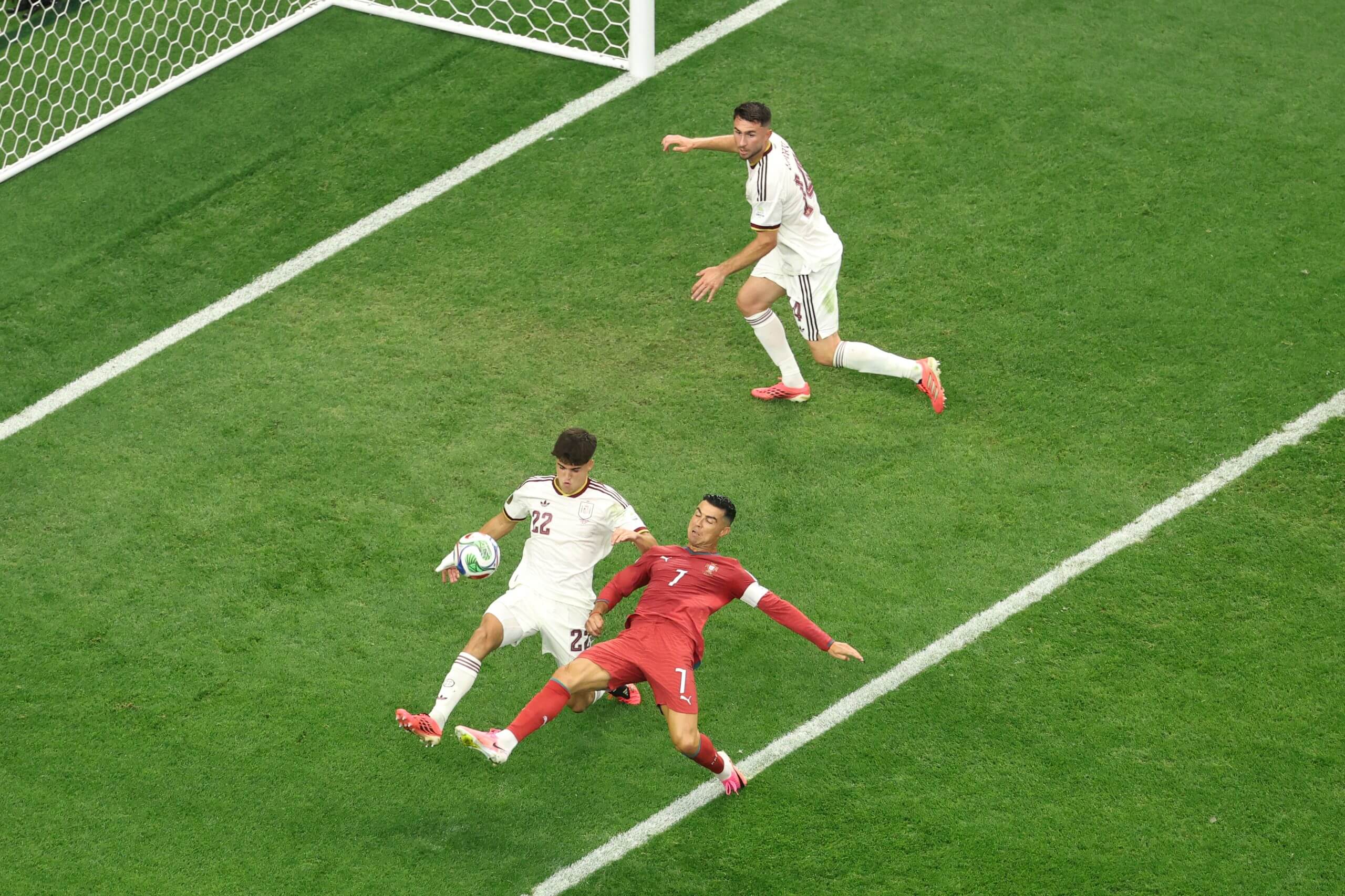
Pau Cubarsi and Aymeric Laporte have been key to Spain’s solidity (Stacy Revere/Getty Images)
12. Dayot Upamecano — France/Bayern Munich (+1)
Strengthened his claim to be France’s best defender at this World Cup with another assured display to keep a depleted Morocco attack at arm’s length. Spain will provide a much tougher and markedly different test, but Upamecano has answered every question so far.
13. William Saliba — France/Arsenal (+1)
Saliba has been every bit as good as Upamecano at the heart of a France defence that has tightened up in the knockout rounds, and only ranks behind him by virtue of missing one group game. In the air and on the ground, over big and small spaces, he is as classy as they come.
14. Lamine Yamal — Spain/Barcelona (+2)
Yamal is the one superstar name who has not entirely fired at this World Cup as he works his way back into peak rhythm following his injury, but he has still managed to carry a constant threat and was the focal point of much of Spain’s attacking play against Belgium.
15. Ismael Saibari — Morocco/Bayern Munich (-3)
It’s a huge shame that injury deprived Saibari of the chance to demonstrate his quality against France, because he had a fantastic World Cup at the tip of Morocco’s attack which more than justified Bayern Munich’s decision to sign him from PSV Eindhoven this summer.
16. Diogo Costa — Portugal/Porto (-1)
The best goalkeeper in the tournament, Costa made a series of excellent saves against Spain before Merino managed to sneak a shot underneath him in the final minutes to end Portugal’s campaign. He should get more opportunities to avenge that disappointment.
17. Julian Quinones — Mexico/Al Qadsiah (same)
Quinones took his World Cup goal tally to four by lashing a loose ball into the roof of the net against England. He was Mexico’s primary attacking threat from the left flank throughout the tournament and helped push one of the big contenders to the brink at the Azteca Stadium.
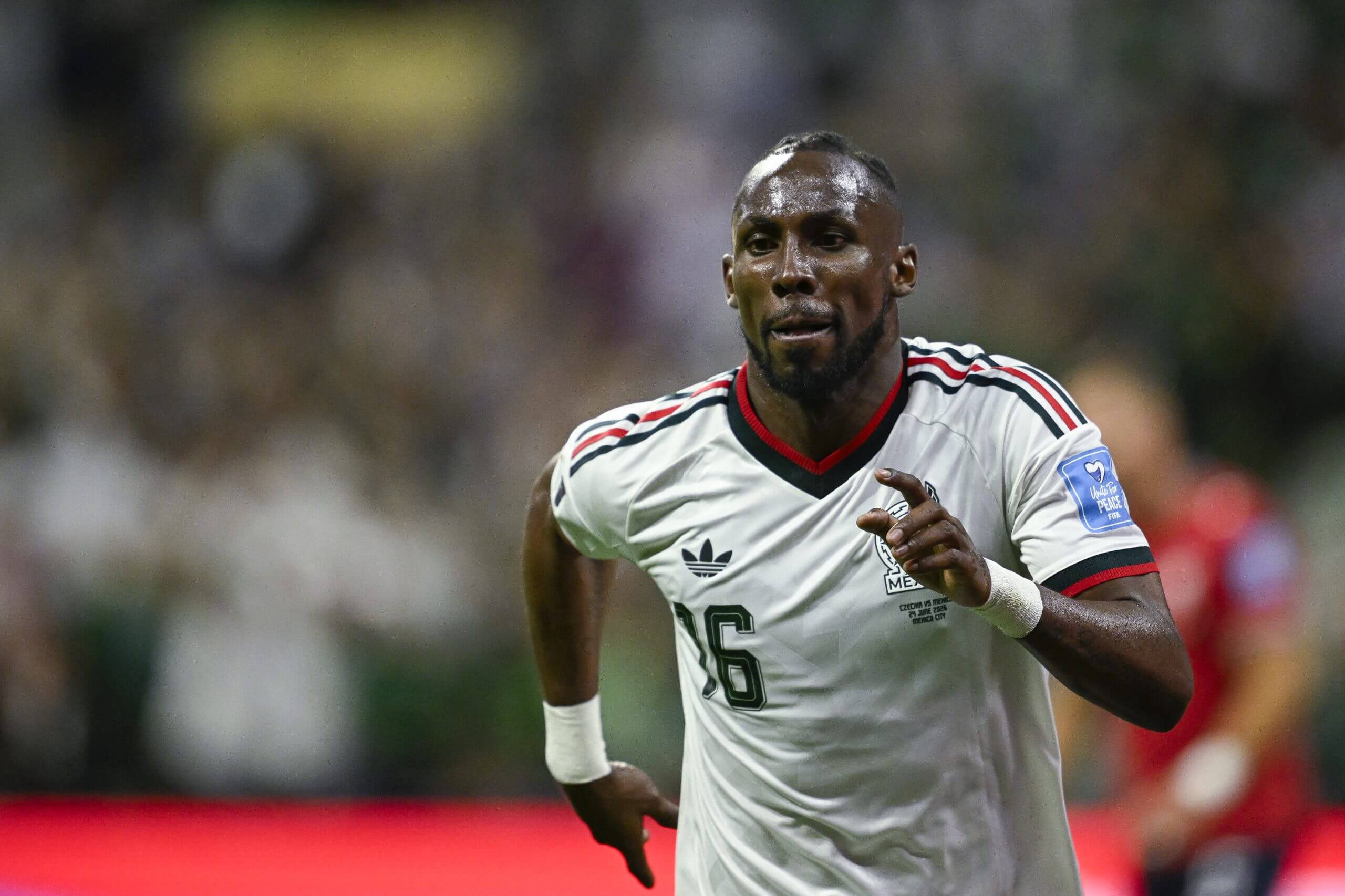
Mexico’s Julian Quinones (Alfredo Estrella/AFP via Getty Images)
18. Rodri — Spain/Manchester City (+3)
Rodri has looked closer to his 2024 Ballon d’Or-winning best at this World Cup, snuffing out opposition attacks before they can take shape and cementing Spain’s control of possession. France will be his biggest challenge yet but it is one he is capable of meeting.
19. Elliot Anderson — England/Manchester City (+11)
Anderson played three different midfield roles against Norway, and held the fort in the middle of the pitch pretty much alone between the withdrawal of Declan Rice and the introduction of Reece James. He also read the flight of the ball off the overhead camera cable (allegedly) perfectly to set up England’s equaliser.
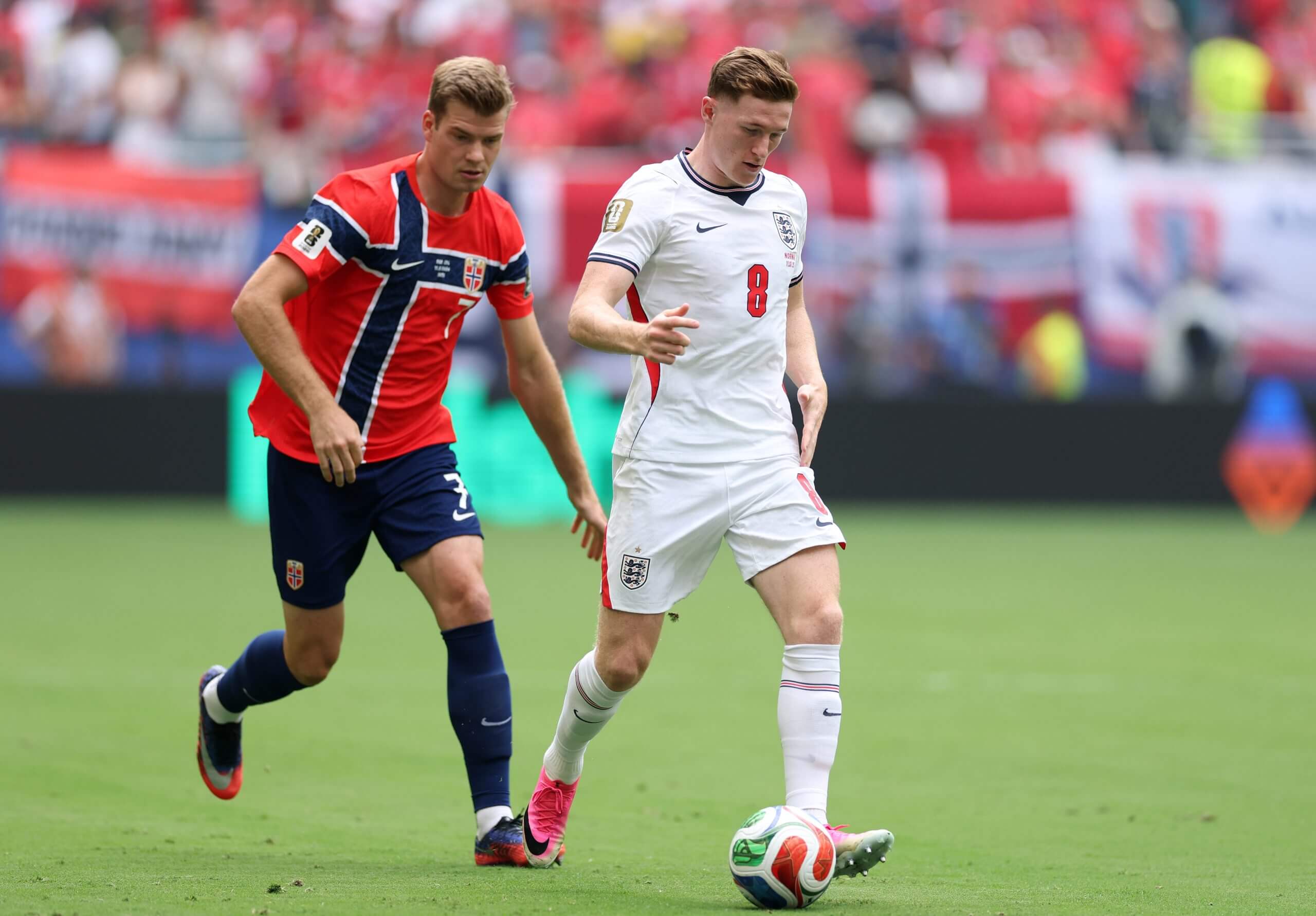
Elliot Anderson is on the charge in our rankings (Dan Mullan/Getty Images)
20. Mikel Oyarzabal — Spain/Real Sociedad (same)
Having scored four of Spain’s five goals in the group stage, Oyarzabal has struggled to find the same opportunities to be decisive in the knockout rounds and Mikel Merino has outshone him from the bench. A semi-final against France would be the perfect time to change that trend.
21. Declan Rice — England/Arsenal (-2)
Rice did well to even make it onto the field against Norway in humid Miami, given that England boss Thomas Tuchel revealed he had been in bed sick for most of the three days before the game. England miss him hugely whenever he is not alongside Anderson in the heart of midfield.
22. Leandro Trossard — Belgium/Arsenal (-4)
Trossard was arguably Belgium’s best performer against the USMNT, but he was unable to do anything significant to trouble the Spanish defence. Still, this has been a good World Cup for the Arsenal man, who is expected to join Besiktas this summer.
23. Anthony Gordon — England/Barcelona (+6)
Gordon continues his rise after making another positive impact for England against Norway, cutting back from the left flank and picking out Bellingham on the edge of the box to score a brilliant equaliser. He now appears the unequivocal starter on the left ahead of Marcus Rashford.
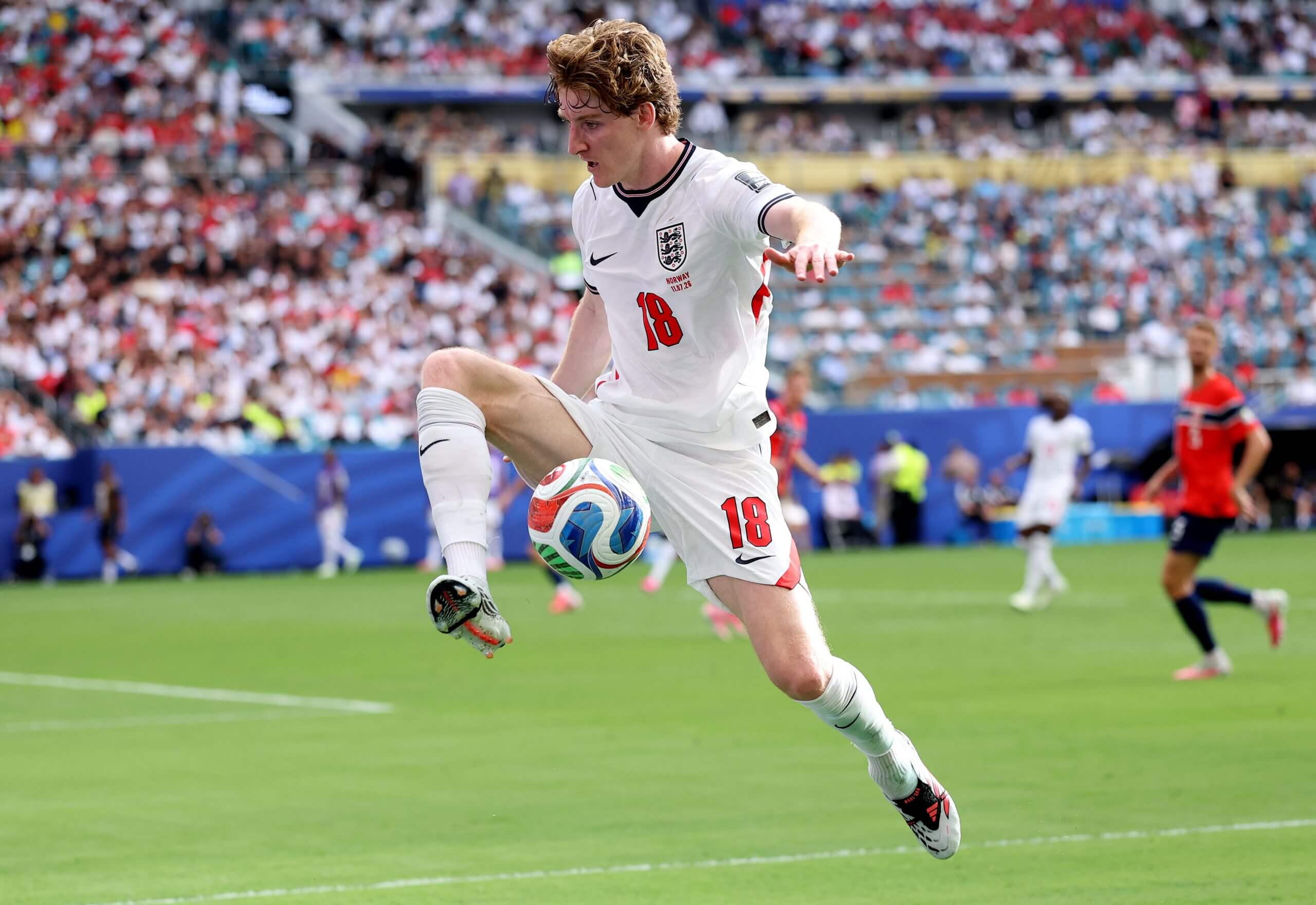
Anthony Gordon is now England’s first-choice starter on the left (Justin Setterfield/Getty Images)
24. Roberto Alvarado — Mexico/Guadalajara (-2)
Could not add to his three World Cup assists against England, but contributed to the waves of Mexican attacks with his tidy left-footed distribution. His form at this tournament has raised his profile outside his homeland significantly, and deservedly so.
25. Pedri — Spain/Barcelona (-2)
Spain’s midfield continues to strangle opponents with possession, but Pedri did not even start against Belgium and was not particularly impactful when he came on. He will continue to fall in this list if that continues in the semi-final against France.
26. Bruno Guimaraes — Brazil/Newcastle (-2)
Will unfortunately be remembered more for his horrendous penalty miss against Norway than for the four World Cup assists that preceded it. Guimaraes was Brazil’s best midfielder at the tournament and that counts for something, though not as much as it used to.
27. Ismaila Sarr — Senegal/Crystal Palace (-2)
Sarr’s huge contribution to Senegal’s showing, and his sensational goal against Belgium, still merit consideration here in the 20s. He will likely slip as the tournament progresses, but could stick in the top 50 with his body of work up to the round of 32.
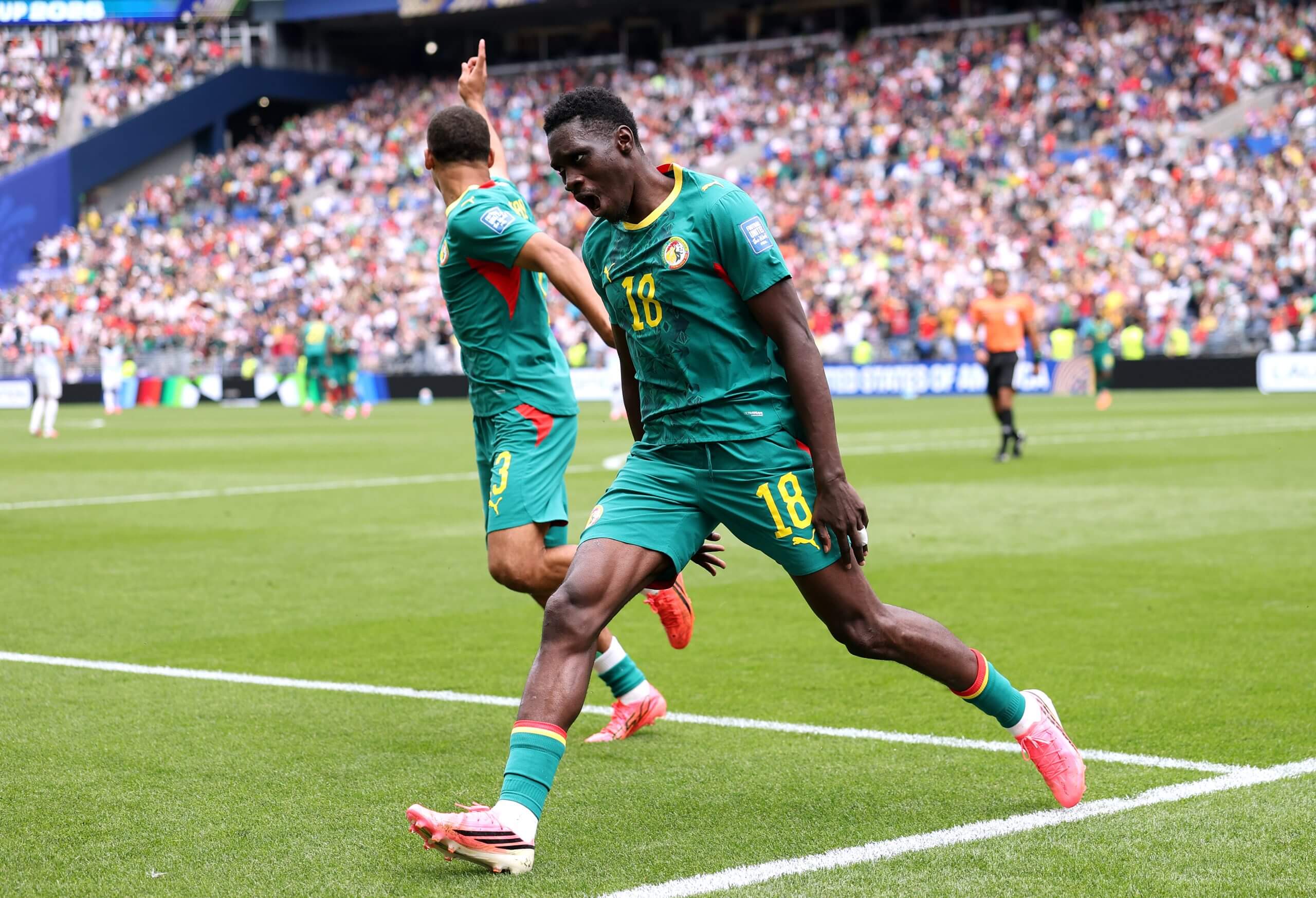
Ismaila Sarr was one of the stars of Senegal’s tournament (Fran Santiago/Getty Images)
28. Folarin Balogun — United States/Monaco (-2)
Balogun’s personal World Cup ended with a relative whimper against Belgium after a political storm he had no hand in, but that should not obscure his stellar goalscoring contribution in the earlier rounds for the tournament co-hosts.
29. Brahim Diaz — Morocco/Real Madrid (-2)
Saibari’s absence may also have limited Diaz’s creativity against a far superior France side. Their chemistry in the group stage was spectacular, and played a key role in making Morocco the most successful African team at this World Cup.
30. Pedro Porro – Spain/Tottenham (+2)
Porro continues to provide vital attacking thrust down the right flank for Spain, and one trademark surge and cutback cross enabled Dani Olmo to shoot and force the Thibaut Courtois parry that Fabian Ruiz followed up to tap in against Belgium. His battle with Desire Doue and Lucas Digne will be fascinating.
31. Luis Diaz — Colombia/Bayern Munich (-3)
Diaz scored his penalty in a tense shootout against Switzerland, but could not provide the cutting edge that Colombia so desperately needed in their last-16 tie or in this World Cup more generally, where he was well below his Bayern best.
32. Andreas Schjelderup — Norway/Benfica (+2)
Did he mean it? We may never know, but Schjelderup’s cross/shot to give Norway the lead against England was undeniably spectacular, and built upon his two assists for Haaland against Brazil. He leaves this World Cup with his reputation enhanced.
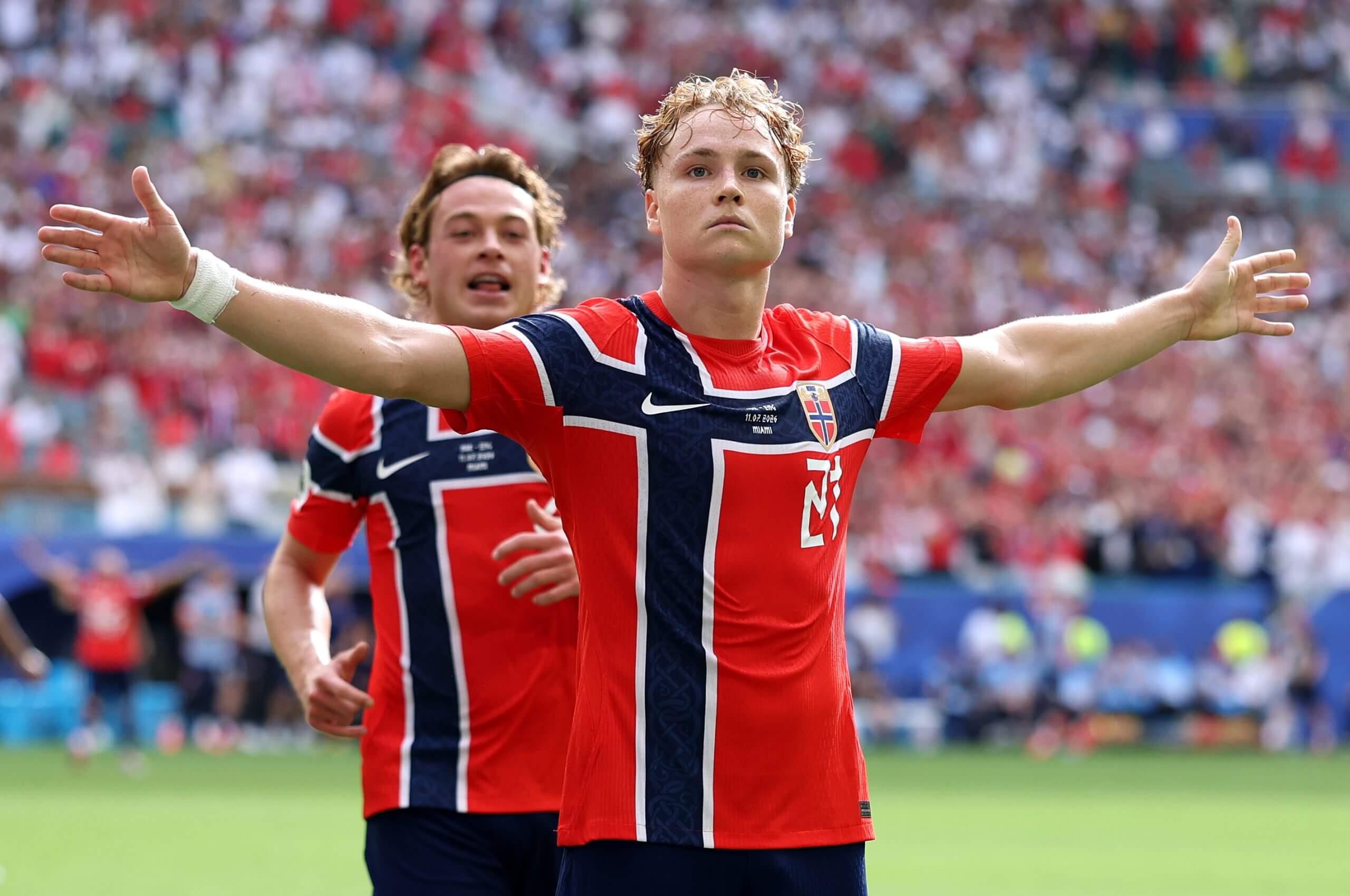
Andreas Schjelderup opened the scoring in the quarter-final against England (Justin Setterfield/Getty Images)
33. Lisandro Martinez — Argentina/Manchester United (re-entry)
Martinez has been Argentina’s second-best performer and second-most important player after Messi, passing the ball out of defence at a consistently high level next to Cristian Romero and scrambling impressively to protect a defence which has been more tested by inferior opposition than Lionel Scaloni would like.
34. Desire Doue — France/Paris Saint-Germain (re-entry)
The starting spot on the left side of France’s attack never appears entirely nailed down, but Doue appears to have edged ahead of PSG teammate Bradley Barcola in the last two matches, winning a penalty against Paraguay with a brilliant run and slipping the ball to Mbappe for the opener against Morocco.
35. Marc Cucurella — Spain/Real Madrid (-3)
Cucurella’s clever off-ball movement and well-timed forward runs remain very important to the success of Spain’s patient attack, even if they did not ultimately provide the breakthrough against Portugal or Belgium. He was arguably culpable for allowing the cross which led to De Ketelaere’s goal.
36. Gregor Kobel — Switzerland/Borussia Dortmund (-3)
Kobel could do nothing about any of Argentina’s goals, and he was a significant reason why Switzerland were able to hold out for so long with 10 men. His penalty shootout heroics against Colombia in the round of 16 also earn him substantial credit here.
37. Martin Odegaard — Norway/Arsenal (+2)
Odegaard’s composure and leadership on the ball enabled Norway to control possession for long stretches against England in the stifling heat of Miami. He has generally sent the ball where it needs to go in this World Cup, though his creativity in the final third waxed and waned.
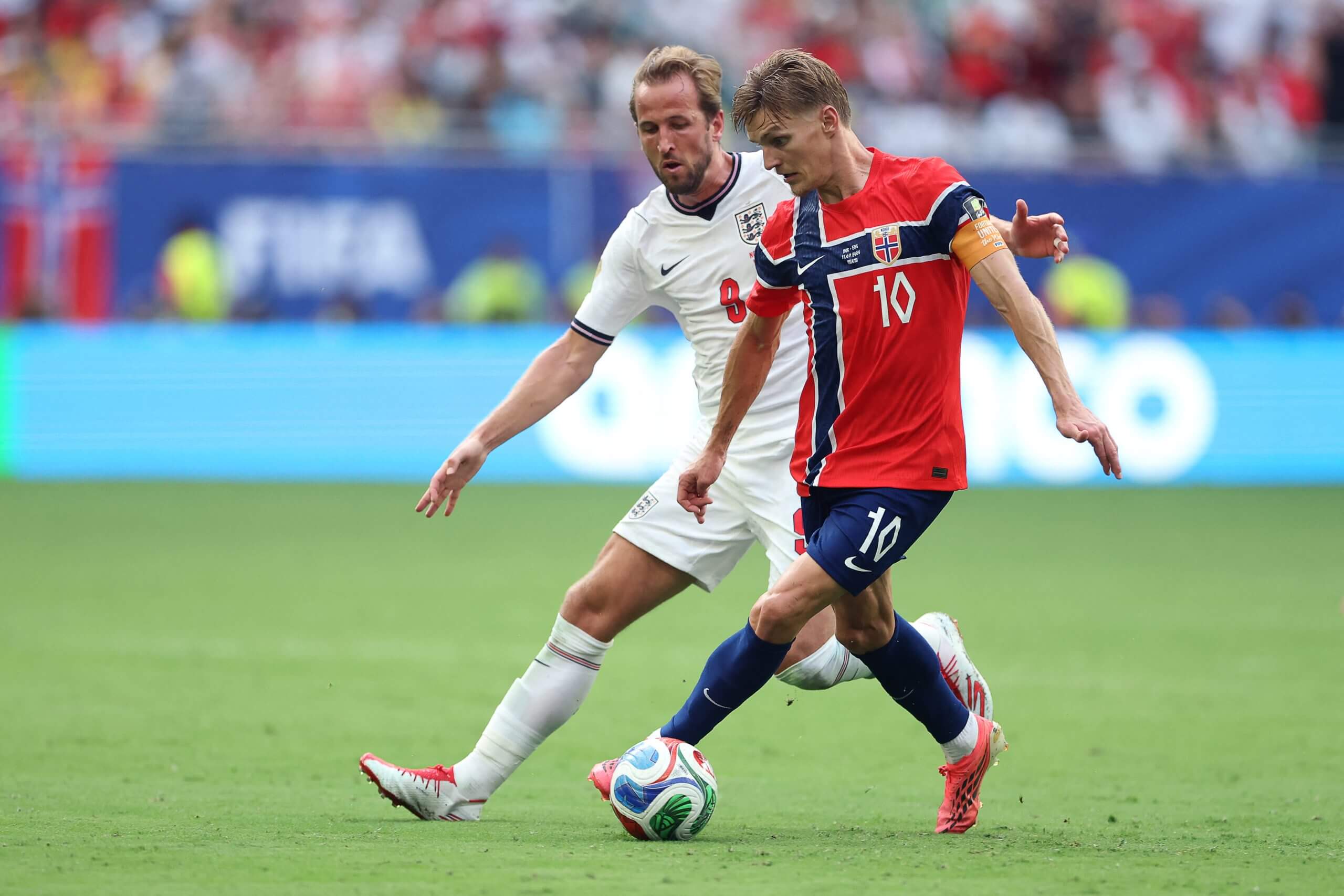
Martin Odegaard was a key part of Norway’s excellent tournament showing (Patricia de Melo Moreira/AFP via Getty Images)
38. Charles De Ketelaere — Belgium/Atalanta (+5)
De Ketelaere made his aerial ability count against Spain just as he had against USMNT, sneaking across the front of Cubarsi to nod Belgium level. He is not a natural No 9 but showed enough to suggest he can be a real option for club and country there going forward.
39. Adrien Rabiot — France/Milan (re-entry)
Rabiot has been the most consistent presence doing the midfield dirty work behind France’s vaunted front four. His physicality, positional intelligence and technical polish on the ball are key to ensuring that Didier Deschamps’ formidable side maintain their balance.
40. Alexis Mac Allister — Argentina/Liverpool (new entry)
After a season of struggle for Liverpool, Mac Allister appears to be rediscovering his mojo for Argentina, leaping brilliantly to head them in front from a Messi corner against Switzerland. His technique and tenacity are not in question, but his role in Scaloni’s midfield asks a lot of him physically.
41. Mikel Merino — Spain/Arsenal (new entry)
Merino has played just 136 minutes across six matches at this World Cup, but two late winners against Portugal and Belgium have strengthened his status as Spain’s closer in the final third. Can he find a way to keep it up against France and potentially beyond?
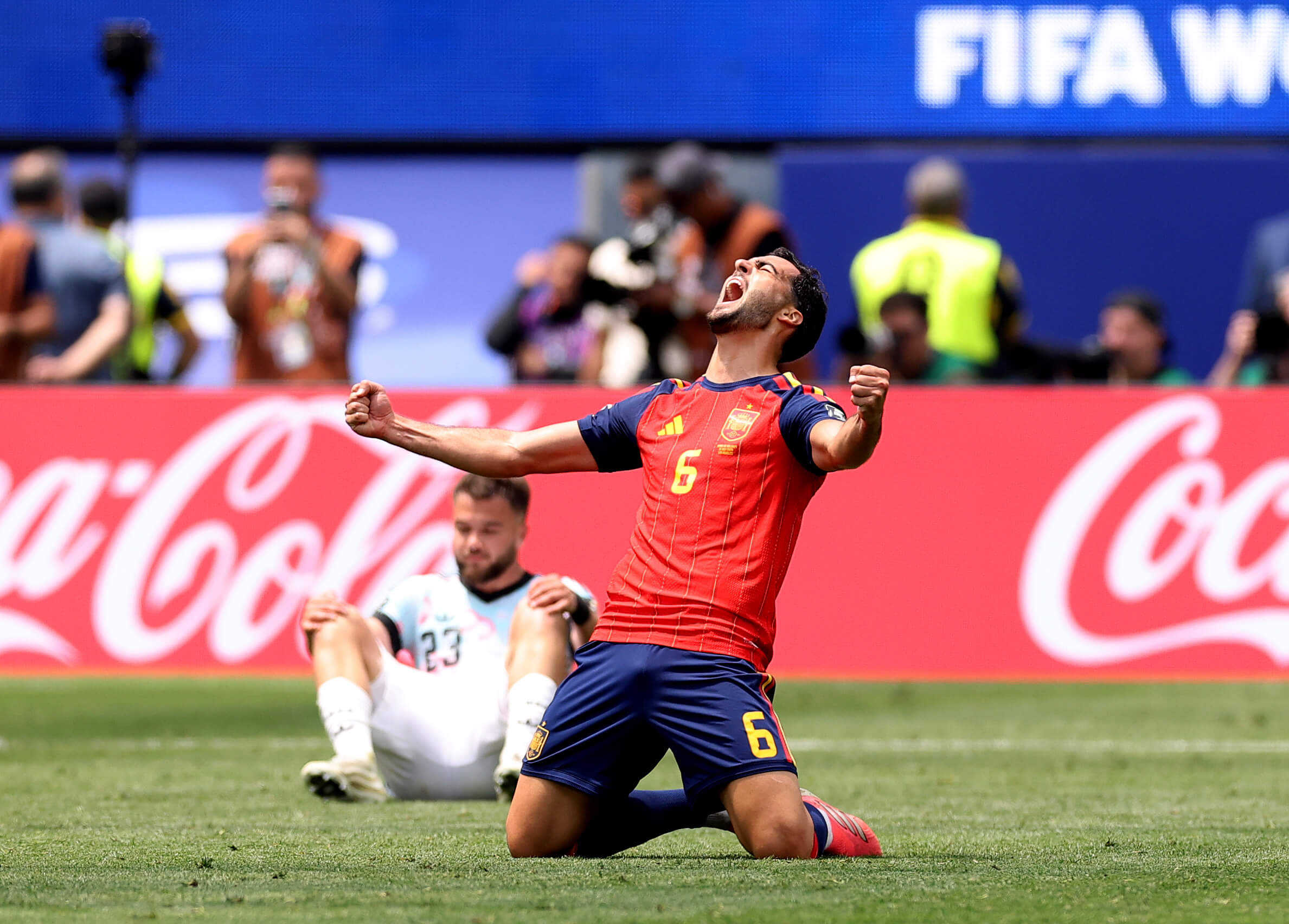
Mikel Merino has scored late winners in two knockout games (Carl Recine/Getty Images)
42. Bukayo Saka — England/Arsenal (+3)
Saka continues to be impactful in a reduced role for England, coming off the bench against Norway to almost set up a goal with a phenomenal jink between two defenders and low ball across the six-yard box, as well as contributing to the late pressure that resulted in Bellingham’s winner.
43. Youri Tielemans — Belgium/Aston Villa (-8)
Absent against Spain due to injury, Manchester United-bound Tielemans still enjoyed an impressive and memorable World Cup as Belgium’s captain, punctuated by his starring role in their remarkable comeback against Senegal.
44. Joshua Kimmich — Germany/Bayern Munich (-8)
Kimmich was Germany’s best performer at this World Cup, not that it ultimately counted for much. Whether or not he remains captain under Julian Nagelsmann’s successor-elect Jurgen Klopp, he needs to be a full-time midfielder at international level moving forward.
45. Davinson Sanchez — Colombia/Galatasaray (-8)
Sanchez helped keep out a relatively limited Swiss attack to ensure that Colombia made it to penalties despite their profligacy in front of goal. Once there, he crashed his own spot kick off the crossbar, but overall he has had a good tournament.
46. Enzo Fernandez — Argentina/Chelsea (same)
There are fewer opportunities for Fernandez to snatch the limelight in his deeper Argentina role, and his defensive limitations never truly go away. But he has been as good on the ball as you would expect, and still gets credit here for his late winner against Egypt.
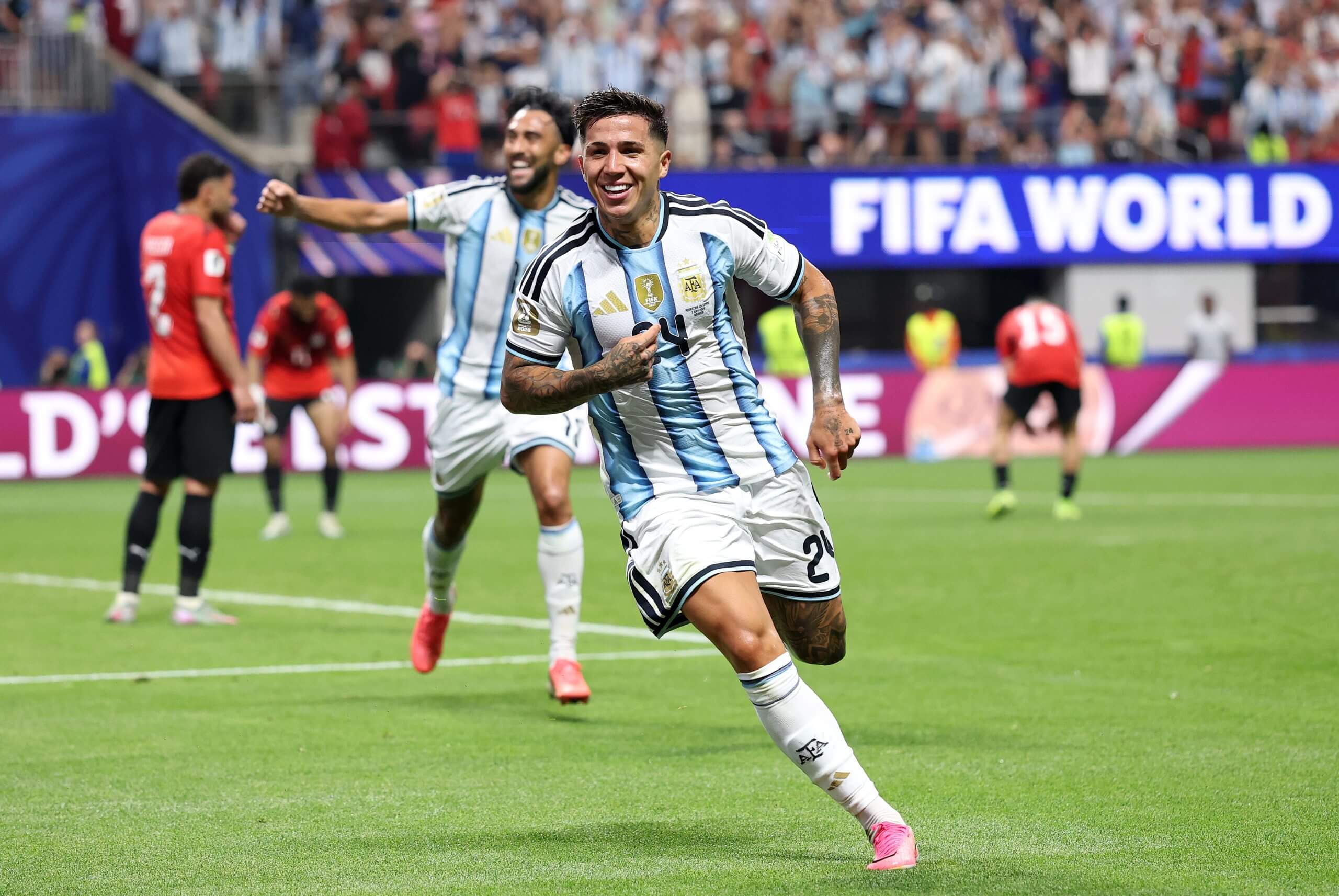
Enzo Fernandez scored Argentina’s third goal against Egypt (Justin Setterfield/Getty Images)
47. Florian Wirtz — Germany/Liverpool (-9)
Wirtz sticks around (for now) in the top 50 as the most reliable source of creation for a Germany attack that proved too easy for Paraguay to stifle in the round of 32. His three assists from four games is a pretty good return, though not a superstar contribution.
48. Bradley Barcola — France/Paris Saint-Germain (-8)
Barcola slips after losing his starting spot on France’s left flank to Doue, who appears a better choice against low block defences. Spain are unlikely to play as Paraguay and Morocco did, however, and Barcola’s lightning speed and skill could yet come in very handy for Deschamps.
49. Yan Diomande — Ivory Coast/RB Leipzig (-8)
Diomande’s performances with Ivory Coast have faded a little as the tournament progresses, but he carried a consistent threat that often lifted those around him. One assist and no goals, however, highlights that he is only scratching the surface of his talent.
50. Julian Alvarez — Argentina/Atletico Madrid (re-entry)
Alvarez makes his first appearance in this ranking since the pre-tournament edition. He has often looked a shell of himself at this World Cup, but his sensational top-corner curler from outside the penalty area to break Swiss hearts was trademark brilliance. Argentina will need more of it if they are to retain their crown.