
When goalkeepers prepare for a match, they don’t simply study where a striker likes to shoot; they study tendencies.
Does he open his body before finishing? Does he favour an extra touch? Does he shoot early or wait for the goalkeeper to commit? Does he attack the near post or drift towards the back post? Does he strike through the ball or place it? Does he scan the goalkeeper before receiving the pass?
Every detail helps build a picture. But the world’s best forwards have a way of breaking those pictures. A goalkeeper’s job is to reduce uncertainty. The problem is these players thrive on creating it.
Get free access to the most comprehensive World Cup coverage in The Athletic app
At this World Cup the goals are flying in at a phenomenal rate with Lionel Messi and Kylian Mbappe on eight each at the top of the Golden Boot race. Here’s what makes some of the tournament’s remaining attacking stars such a unique challenge for a goalkeeper.
Kylian Mbappe, France
World Cup: 8 goals, 3 assists
Pace is usually the first thing that comes to mind when people think of Mbappe, but it isn’t the quality that makes him most difficult to stop. It’s his quick release.
As a striker prepares to shoot, the goalkeeper is reading their body shape, where their standing foot is planted and how the shooting leg moves. Those cues allow the goalkeeper to set, activate their jump and generate the power to dive explosively.
Most forwards give the goalkeeper a fraction of a second because they need to draw their shooting leg back before striking through the ball. Mbappe doesn’t.
He barely takes his foot back to generate power. His technique, strength and timing allow him to strike cleanly with only a small movement of his shooting leg, making it incredibly difficult for goalkeepers to recognise exactly when the shot is coming.
As he did in scoring against Morocco in the quarter-final when he gave Yassine Bounou no chance.
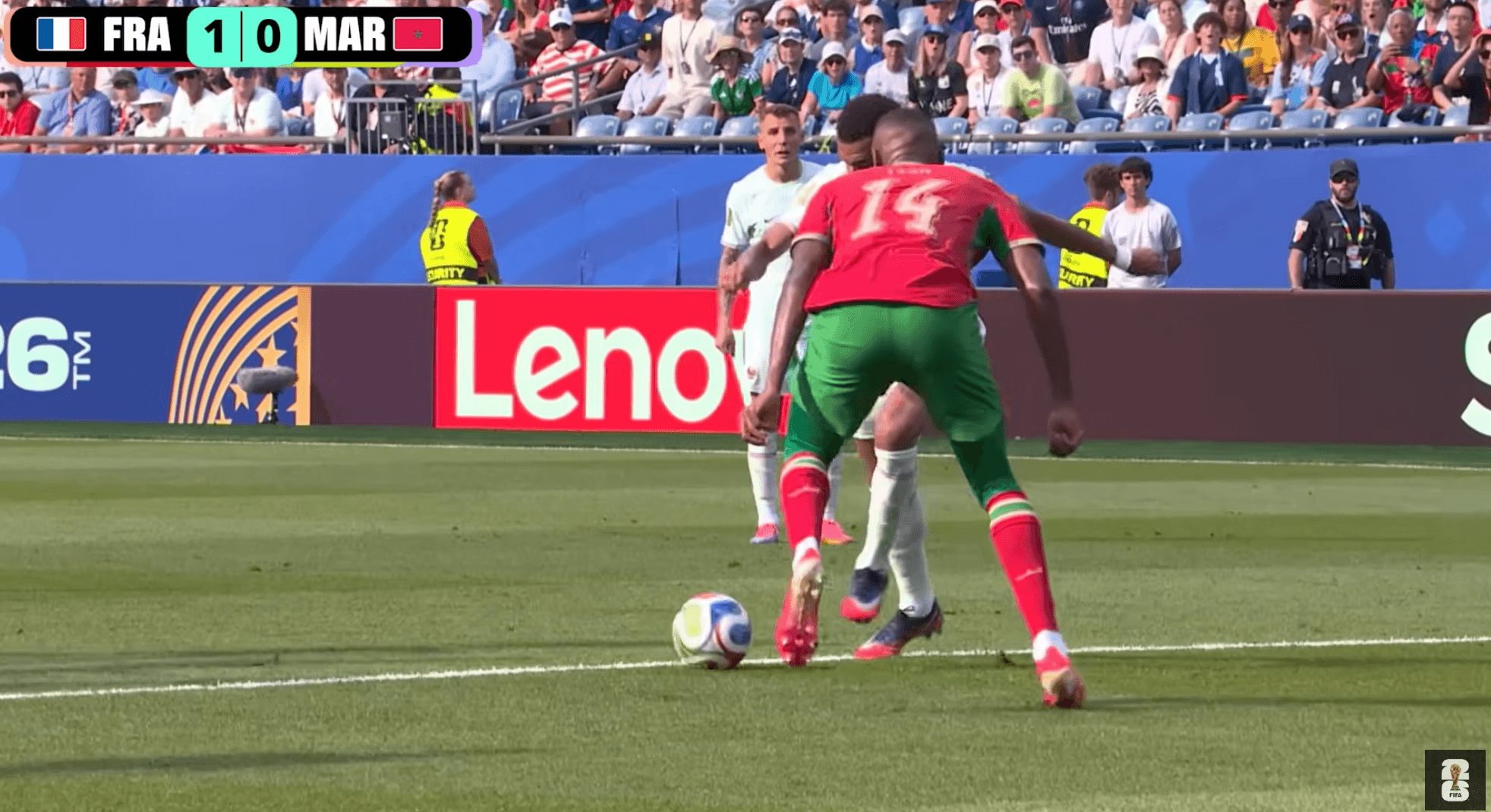
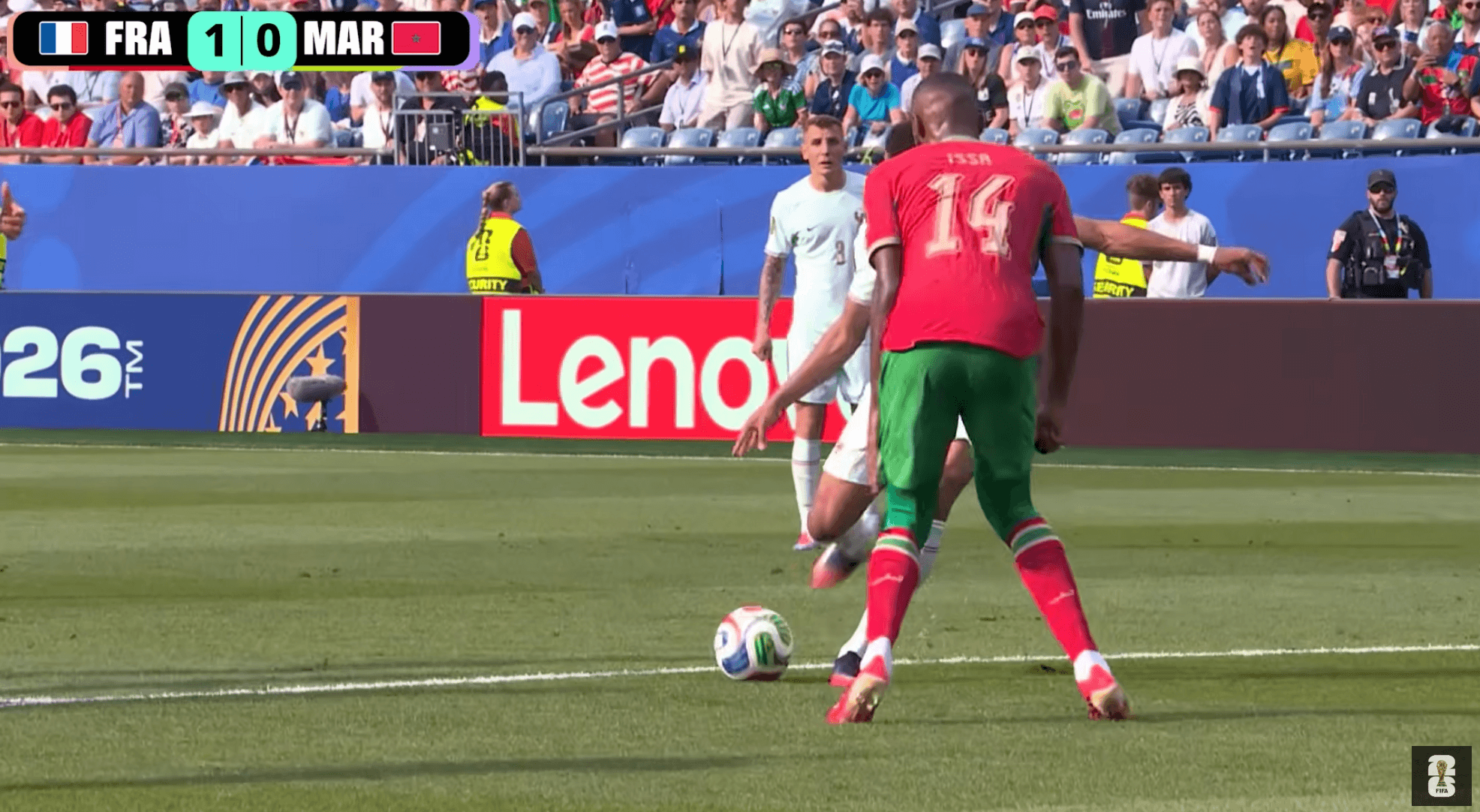
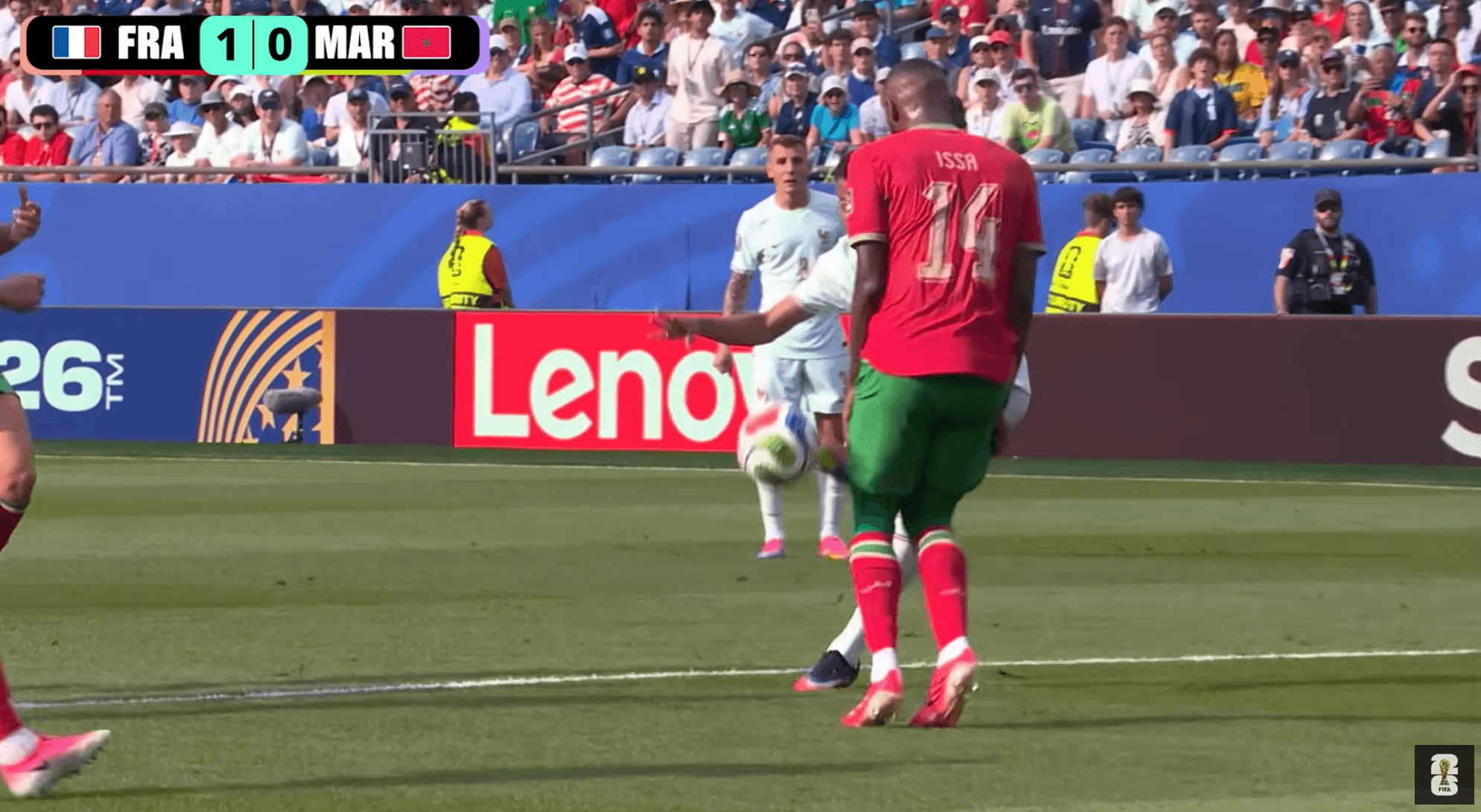
That split second changes everything.
If a goalkeeper begins their movement too early, Mbappe has the speed and composure to shift the ball onto his next touch or drive into a better shooting position.
Against most forwards, goalkeepers have enough time to complete their footwork before reacting. Against Mbappe, they are often trying to get set while the ball is already travelling towards goal.
That’s why compact movement becomes so important.
Large adjustment steps or unnecessary bouncing make it almost impossible to recover once Mbappe decides to shoot. The best goalkeepers against him are usually those who stay quiet with their feet, remain balanced and keep their centre of gravity under control for as long as possible. They resist the temptation to overreact.
Many strikers become dangerous once they enter the penalty area. Mbappe becomes dangerous the moment he has a yard of space to run into. As he approaches goal, the goalkeeper has to judge whether to hold their position, advance to narrow the angle or prepare for a one-on-one.
Advance too aggressively and Mbappe has the pace to push the ball around you. Stay too deep and he opens up more of the goal before releasing his shot.
The variety of his finishing makes preparation even more difficult.
Throughout this World Cup, he has again demonstrated he doesn’t need several touches to create a goalscoring opportunity. One touch to separate from the defender is often enough.
It is easy to stay alert when a striker is standing over the ball, shaping to shoot from 20 yards. Mbappe doesn’t always give you that warning. He can turn a harmless situation into a shot on goal in the space of one stride.
That’s what makes him unique. His pace might get him into dangerous positions, but it’s the speed of his decision-making and his shooting action that catch goalkeepers out.
Ousmane Dembele, France
World Cup: 5 goals, 2 assists
Show a left-footer onto their right foot, and you reduce some of the danger. Likewise, with a right-footer onto their left. Against Dembele, that is pointless.
Whether the ball sits on his left or right, the goalkeeper has to respect both equally. He can generate power, curl the ball into the corners or produce delicate finishes with either foot. There isn’t an obvious side to show him.
Normally, as an attacker drives towards goal, the goalkeeper is beginning to narrow down the possible finishes. They are reading the attacker’s body shape, anticipating which foot the shot is likely to come from and subtly adjusting their positioning. Dembele removes many of those clues.
Every technique remains available to him until the last moment. That makes it much harder to anticipate the flight of the ball.
His hat-trick against Norway perfectly illustrated why he is such a difficult player for goalkeepers to prepare for. In little more than 30 minutes, he scored three goals, each from a different situation and demanding a different type of finish.
The first came on a counter-attack, where neat footwork inside the penalty area created just enough room for him to finish with his right foot.
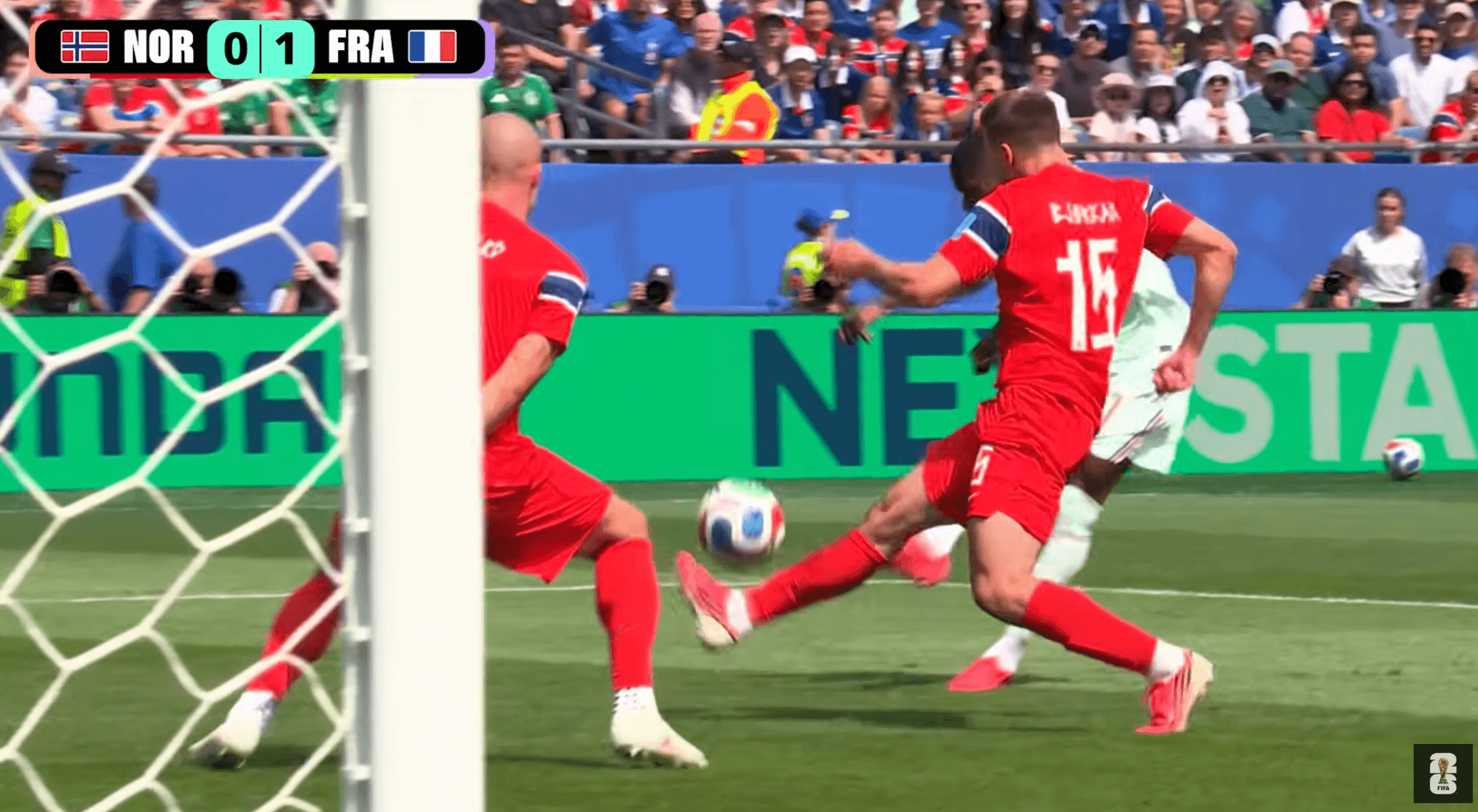
The second arrived from distance after Norway gave him acres of space, and he punished them with a powerful strike with his left.
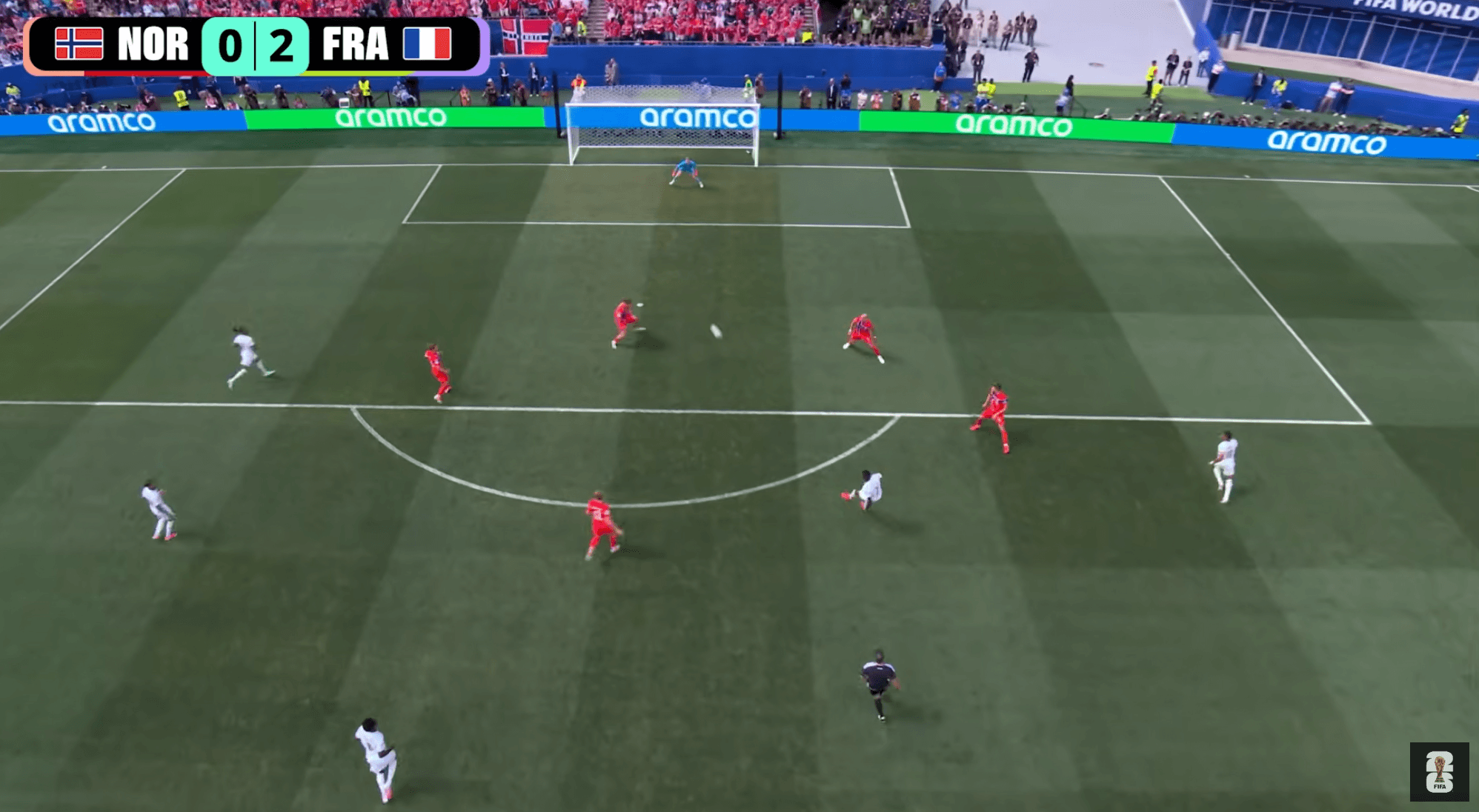
The third was another left-footed finish, this time after creating just enough separation from his defender to get his shot away under pressure.
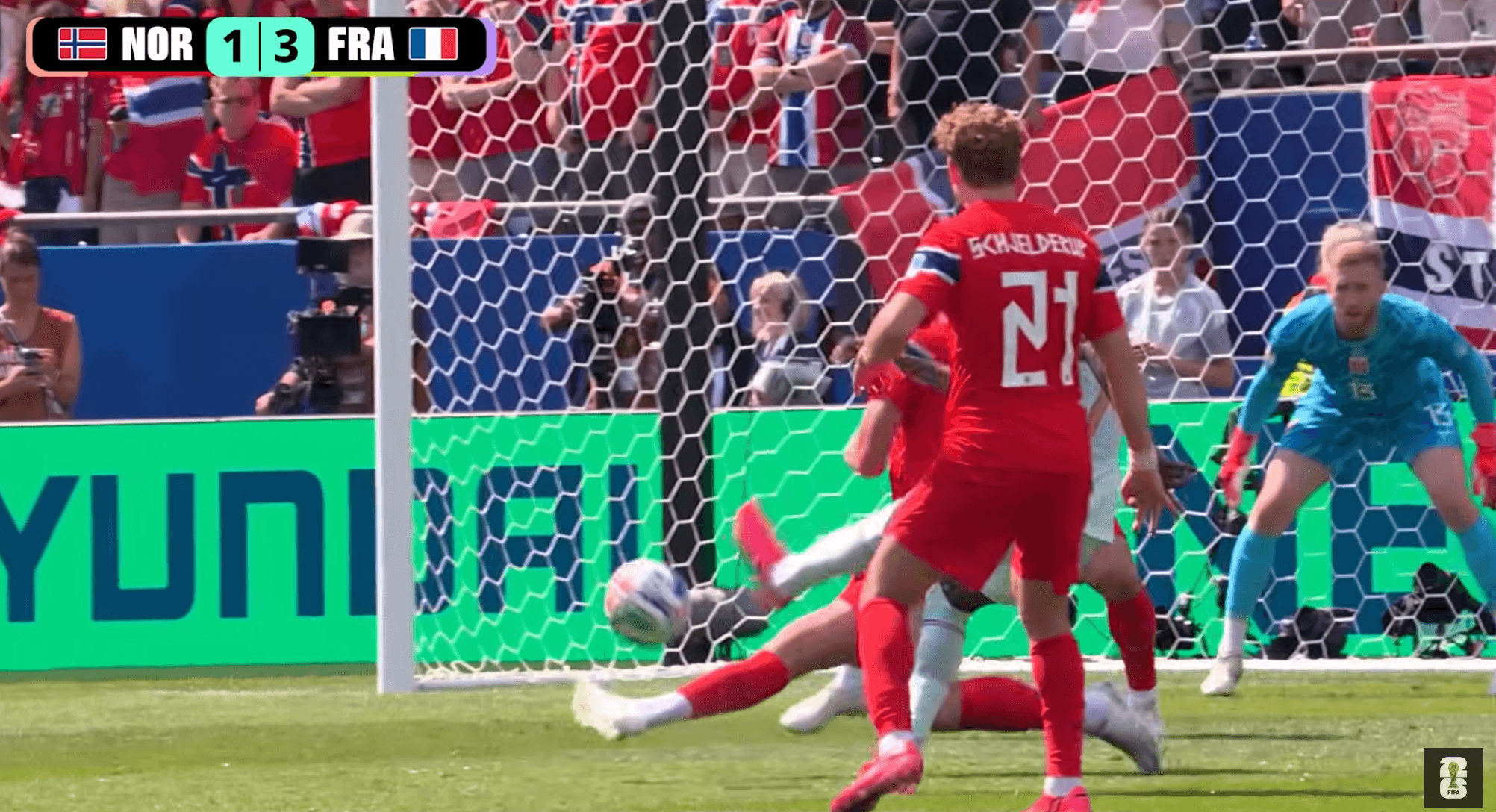
Three different scenarios, three different techniques and three different decisions for the goalkeeper to solve. That unpredictability makes Dembele a unique challenge.
His improvement over the last 18 months has made him even more dangerous.
Earlier in his career, particularly during his time at Borussia Dortmund and in his first seasons at Paris Saint-Germain, there was often a feeling that he needed several opportunities before finding his rhythm. His finishing could be inconsistent. That has changed.
Now there is a calmness to his decision-making. That composure delays the moment goalkeepers can fully commit.
If the goalkeeper drops early, Dembele has the awareness to lift the ball over them. Stay on your feet for too long and he calmly passes the ball beyond your reach. Commit towards one corner and he can adjust because both feet remain available.
Dembele rarely runs in straight lines. He constantly changes angles, drifting inside before moving back outside, or threatening to attack the defender’s shoulder before checking towards the ball. Those subtle changes force defenders to keep adjusting their body position, which in turn changes the picture for the goalkeeper.
A goalkeeper’s positioning is closely linked to their defenders. If defenders are constantly changing direction, the goalkeeper has to keep making small adjustments as well.
Dembele offers every type of finish, with either foot, from almost every angle.
Lionel Messi, Argentina
World Cup: 8 goals, 2 assists
For almost 20 years, goalkeepers have known exactly what Messi wants to do. Receive the ball, shift it onto his left foot and curl towards the far corner.
Everyone knows it’s coming. Yet somehow, it still finds the back of the net. It’s because Messi understands goalkeepers as well as any player in football history.
Most elite forwards focus primarily on the defender in front of them. Messi is constantly scanning the goalkeeper.
As he carries the ball towards the edge of the penalty area, he is looking for the smallest piece of information. Has the goalkeeper edged towards the near post? Have they taken an extra step across their goal? Are they beginning to lean in anticipation of the far-post finish? Those tiny movements become his cue.
The reason goalkeepers continue conceding similar goals to Messi isn’t because they don’t know where he wants to shoot. It’s because they know. And that expectation creates hesitation.
The temptation is to anticipate but patience is one of the goalkeeper’s greatest weapons against Messi.
Everyone has seen the same finish hundreds of times. But the moment a goalkeeper begins trying to guess, Messi has gained the advantage.
He is one of the few players who can genuinely wait for the goalkeeper to make the first decision. That comes from his extraordinary coordination and balance… as he showed against Cape Verde, below…
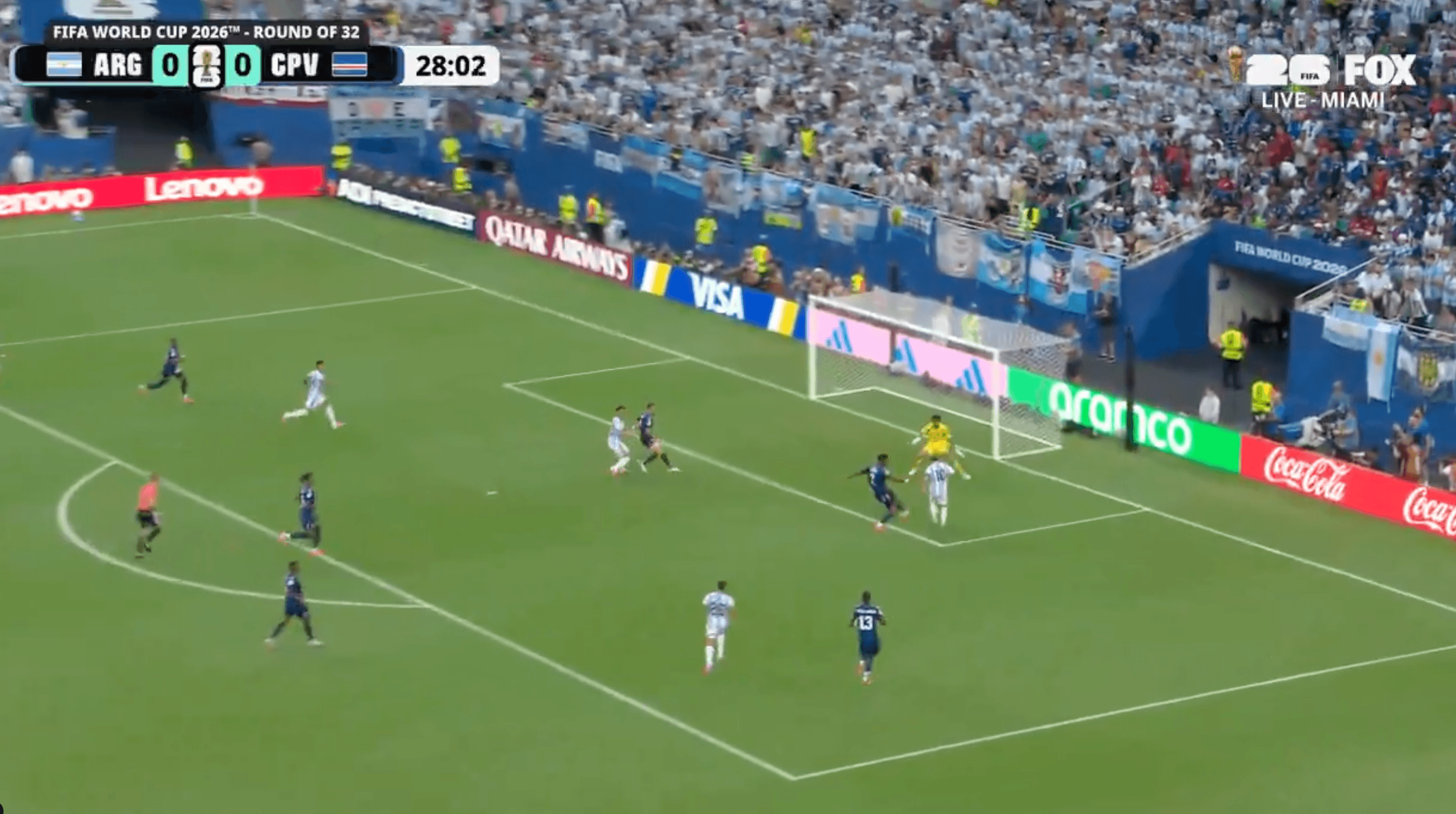
… having already wrong footed the goalkeeper against Austria in the group stage.
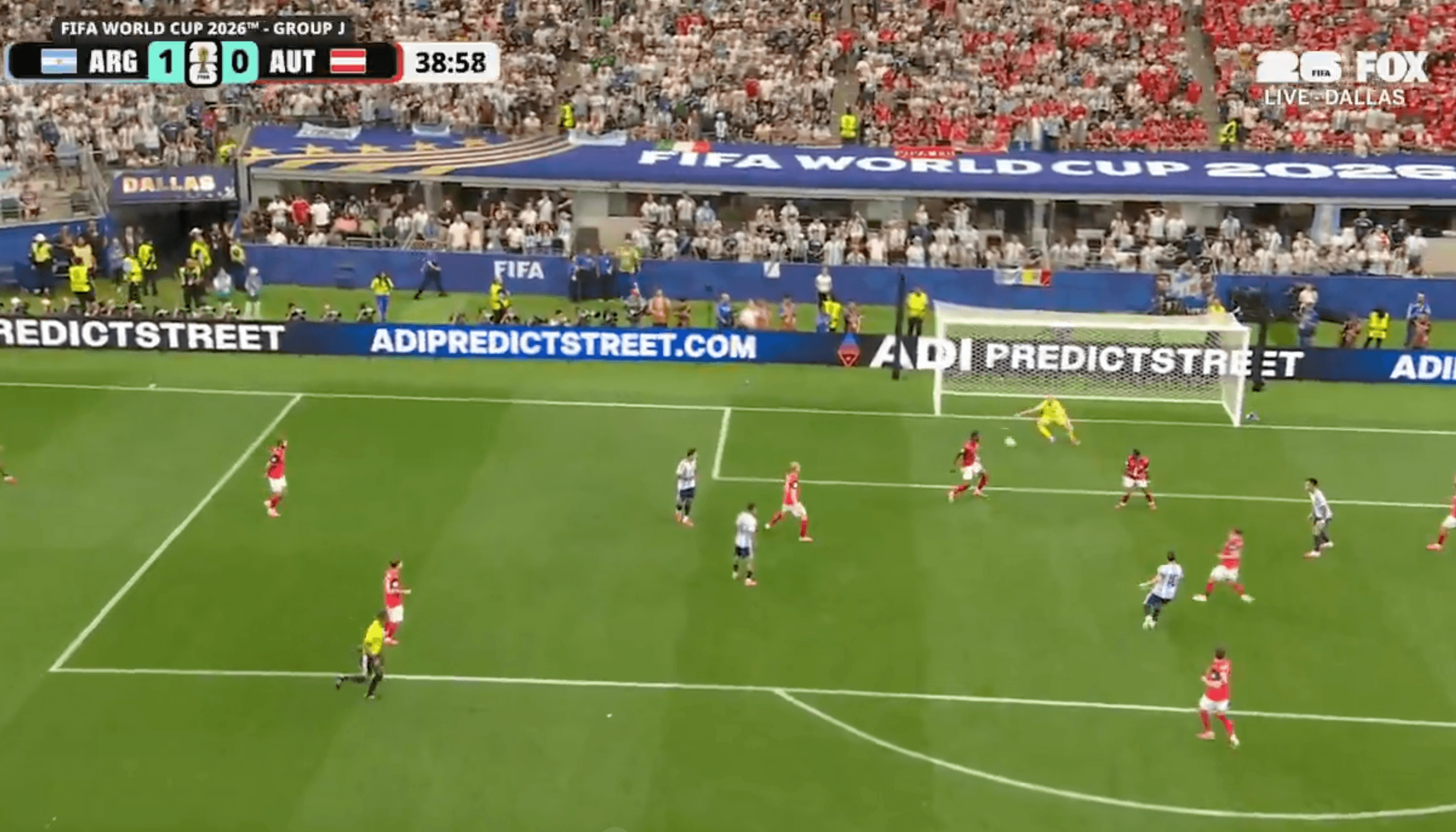
Messi doesn’t lose control of the ball while changing direction. Every touch keeps it within immediate shooting distance. That allows him to delay the finish for another stride, another step or another second while continuing to observe the goalkeeper’s movement.
What separates him is his ability to disguise the moment he intends to shoot. Since the ball stays so close to his feet, goalkeepers are constantly wondering whether another touch is coming. Like Mbappe, his release is exceptionally quick, but it comes in a different way.
Mbappe’s power overwhelms you, whereas Messi deceives you.
Whether it’s a trademark curled finish, a delicate dink over an advancing goalkeeper or a perfectly placed strike into the corner, every finish begins with the same process. Egypt felt that in their dramatic round of 16 defeat.
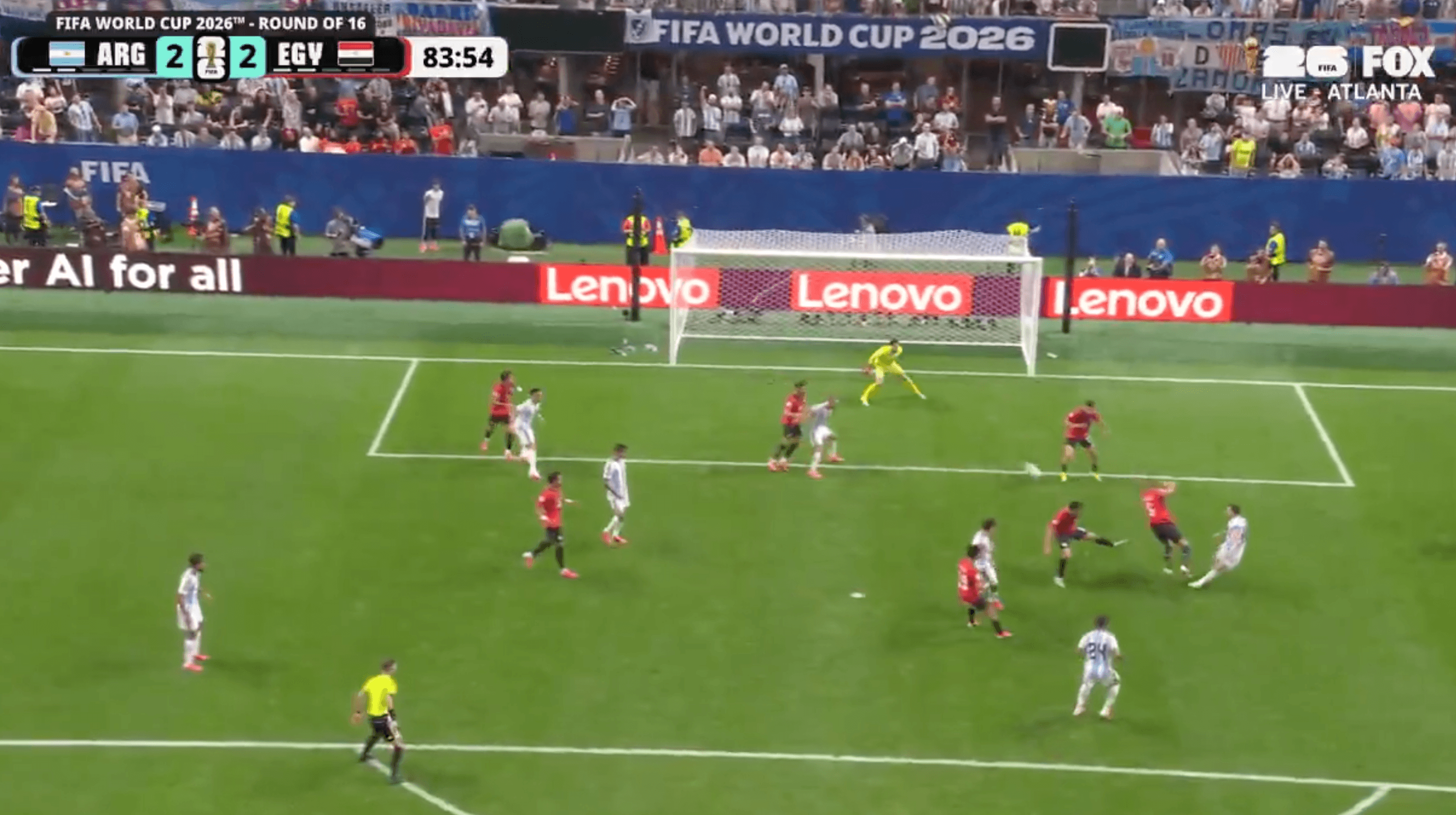
He makes the goalkeeper doubt themselves.
And once uncertainty enters a goalkeeper’s mind, Messi usually needs only one touch to punish them.
Harry Kane, England
World Cup: 6 goals, 1 assist
Kane forces goalkeepers to prepare for two players in one.
At one moment, he looks like a traditional No 9, occupying the centre-backs and waiting for an opportunity. The next, he has dropped 20 yards deeper, receiving between the lines and picking out a runner with a perfectly weighted pass.
That dual threat is what makes him so difficult to play against for goalkeepers.
Kane is involved throughout the build-up. He wants touches. He wants to connect attacks. He wants defenders thinking about more than just his movement inside the penalty area.
Every time Kane drops away from the penalty area, defenders have to decide whether to follow him (and risk leaving space behind) or hold their position (and allow him time to turn).
If a centre-back follows Kane, runners immediately begin attacking the space behind the defence. If they don’t, Kane has the quality to receive on the half-turn and play the decisive pass himself.
The right-footer is remarkably balanced. He scores with both feet, finishes comfortably from inside and outside the penalty area and remains one of the best headers of the ball in international football. There isn’t one type of finish that defines him.
He can open his body and guide the ball into the far corner. He can drive through the ball with power. He can score first time. He can attack crosses. He can punish the smallest mistake from 25 yards. He can score from set pieces.
That variety forces goalkeepers to prepare for almost every scenario.
One aspect of Kane’s finishing that often goes unnoticed is how well he uses defenders. Many of his shots come through bodies.
Rather than searching for the perfect shooting lane, he is happy to strike through narrow gaps between defenders, knowing that the goalkeeper’s view will be blocked for a fraction of a second.
Goalkeepers talk about seeing the ball early. Against Kane, they frequently don’t. By the time the ball appears from behind the defender, it is already travelling towards the corner as his winner against DR Congo showed…
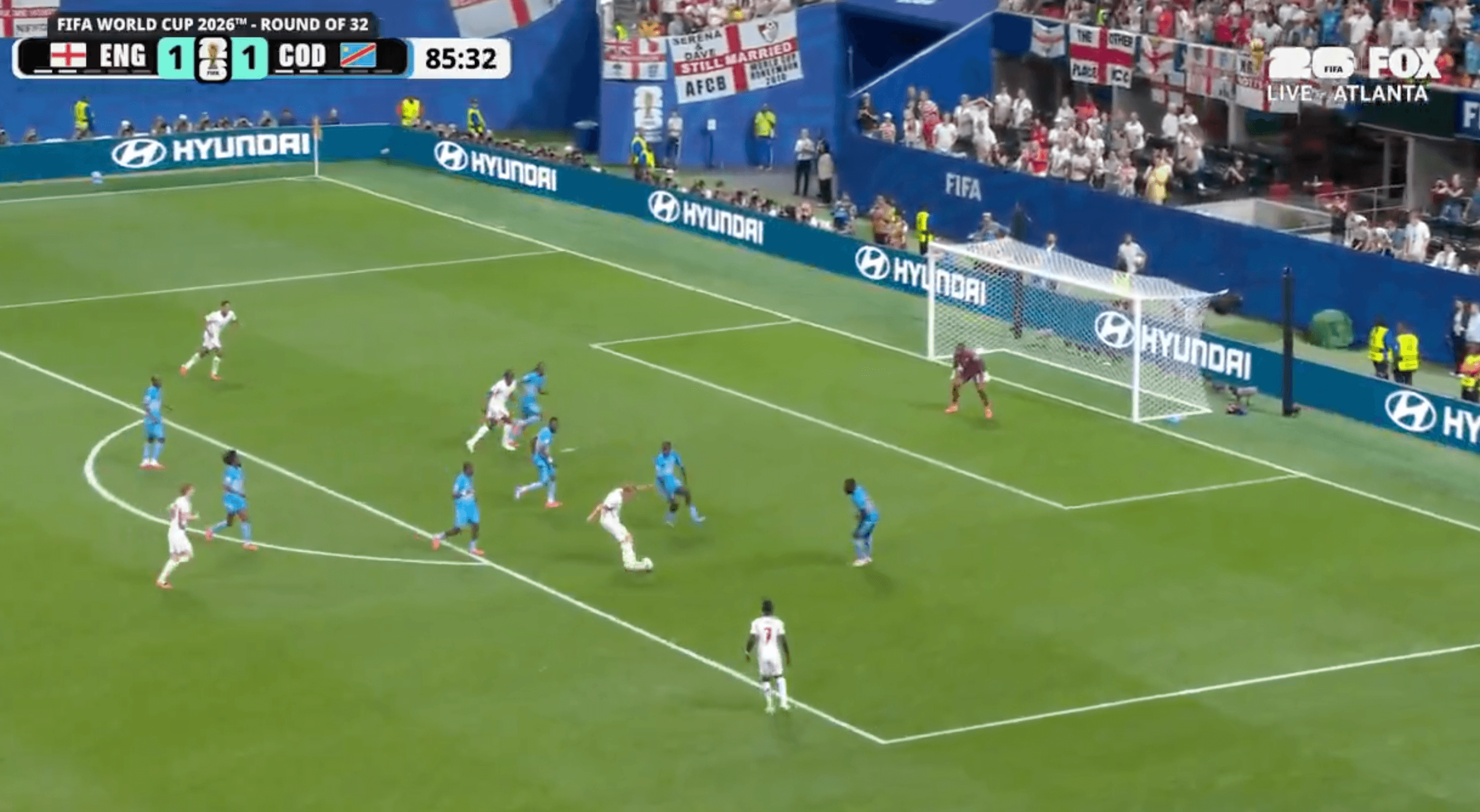
He is also outstanding at recognising the goalkeeper’s position before shooting.
Like Messi, although in a different way, Kane constantly scans.
If he notices the goalkeeper edging across their goal, he is capable of changing his finish at the last moment. If the goalkeeper stays deep, he has the technique to find either corner. If they advance aggressively, he has the composure to lift the ball over them.
Nothing feels rushed. Everything feels calculated.
Mikel Oyarzabal, Spain
World Cup: 4 goals, 1 assist
Spain head coach Luis de la Fuente recently described Oyarzabal as one of the most intelligent footballers he has worked with, saying he has a unique ability to interpret the game and recognise space before anyone else. Those qualities don’t always stand out on television, but goalkeepers notice them immediately.
One of the hardest things for a goalkeeper is defending a striker who refuses to stay in one position.
Traditional centre-forwards provide a clear reference point. They stay between the centre-backs, allowing defenders and the goalkeeper to constantly monitor their movements. Oyarzabal drops into midfield, drifts towards the wing, occupies the half-space or suddenly appears between defenders just as the cross is delivered.
For the goalkeeper, it becomes a game of constantly updating information. Where is he now? Has the centre-back passed him on? Has he drifted into my blindside? Is he attacking the front post or arriving late?
Those questions never stop and that constant scanning is exhausting.
Unlike many strikers who make repeated explosive runs in behind, Oyarzabal often waits. He is patient, allowing defenders to focus on the ball before quietly moving into the space they’ve just vacated.
It’s rarely a spectacular movement, it’s usually just the right one. That intelligence is why he so often seems to arrive unmarked inside the penalty area.
Goalkeepers spend much of their time organising the players in front of them, but there are moments when the ball demands all of their attention. Crosses, cut-backs and second balls naturally pull the goalkeeper’s eyes towards the delivery. Elite forwards know exactly when those moments occur.
Oyarzabal exploits them as well as almost anyone as he showed in setting up Spain’s opener for Lamine Yamal in the group stage victory over Saudi Arabia.
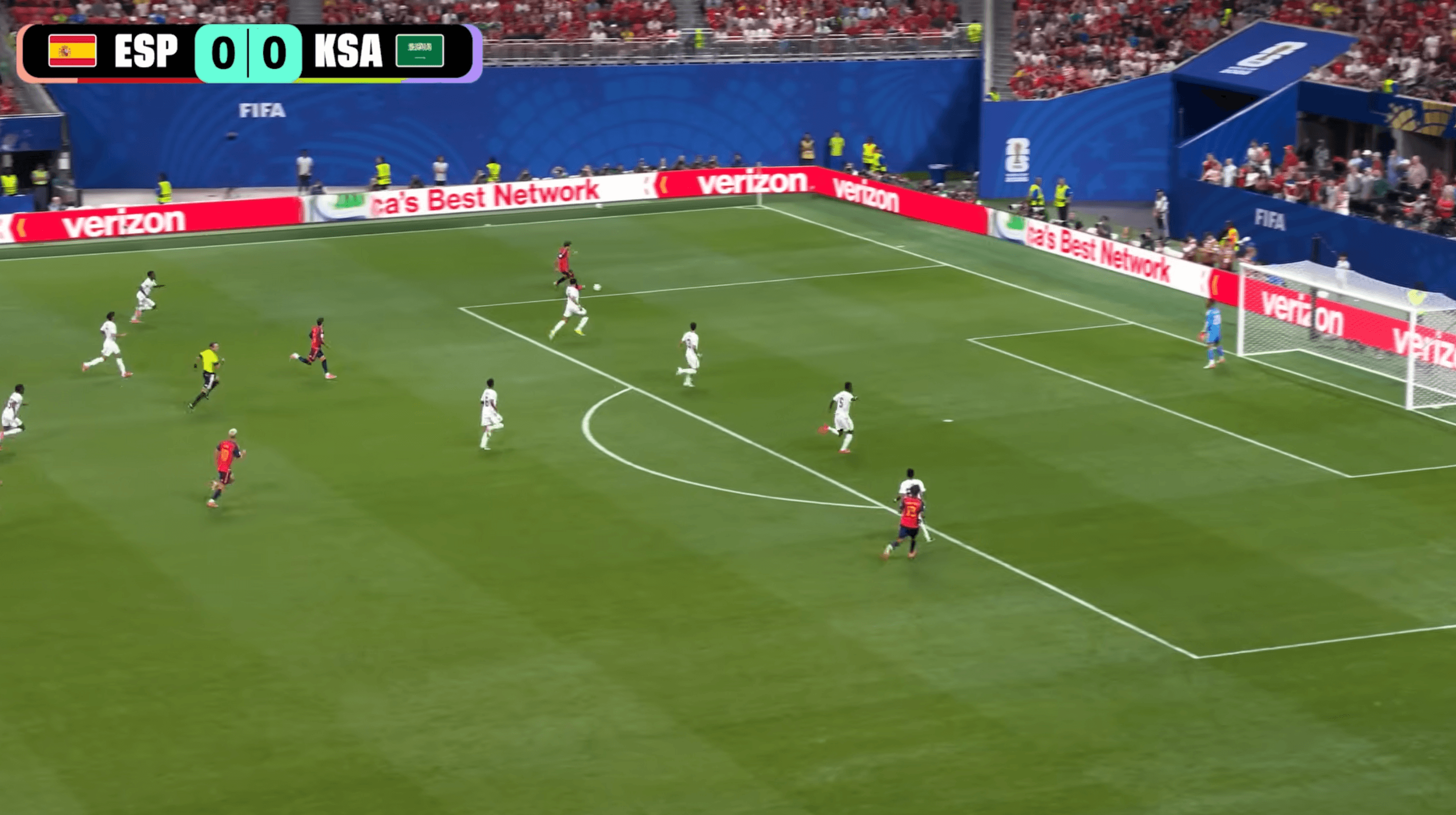
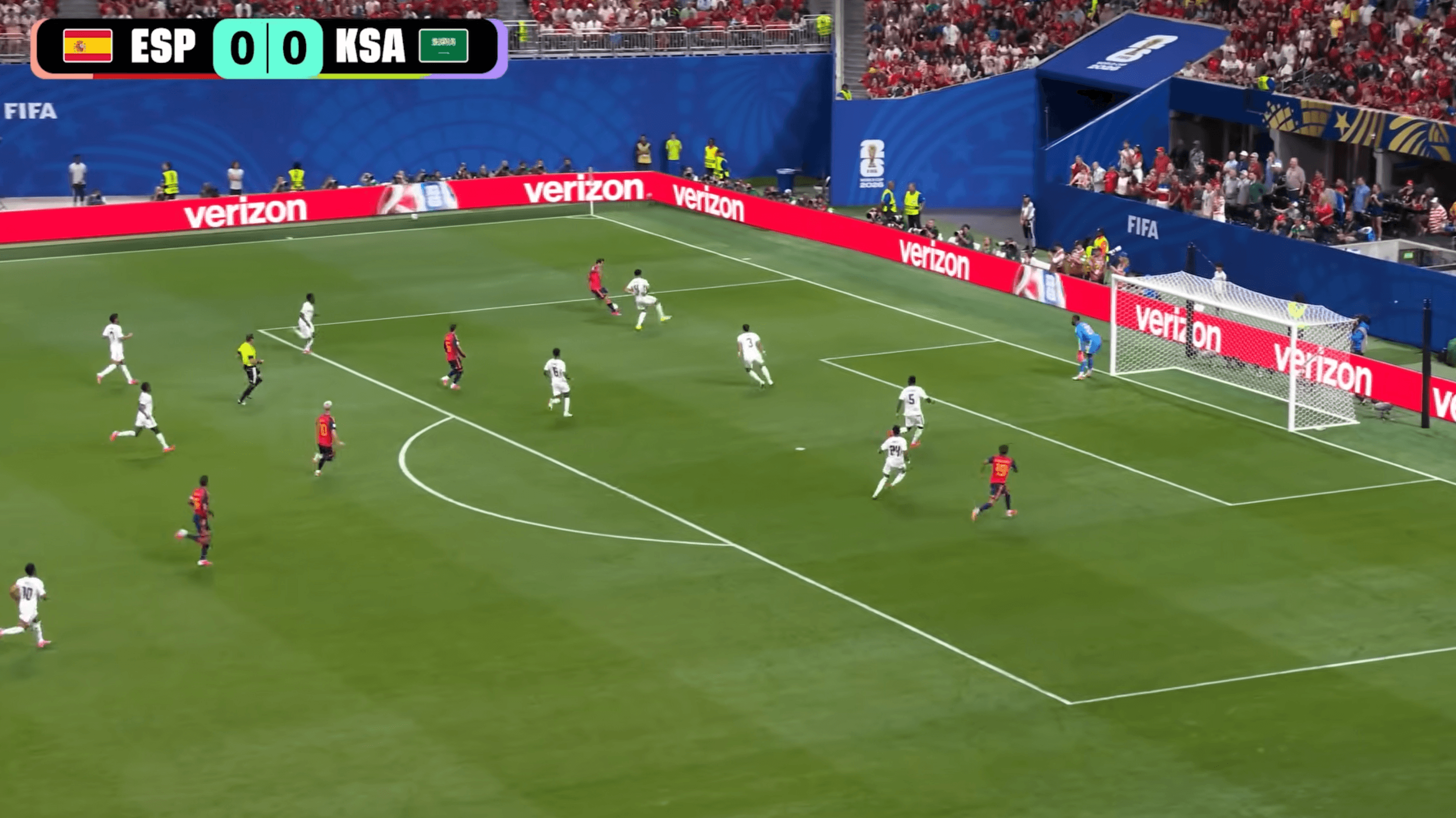
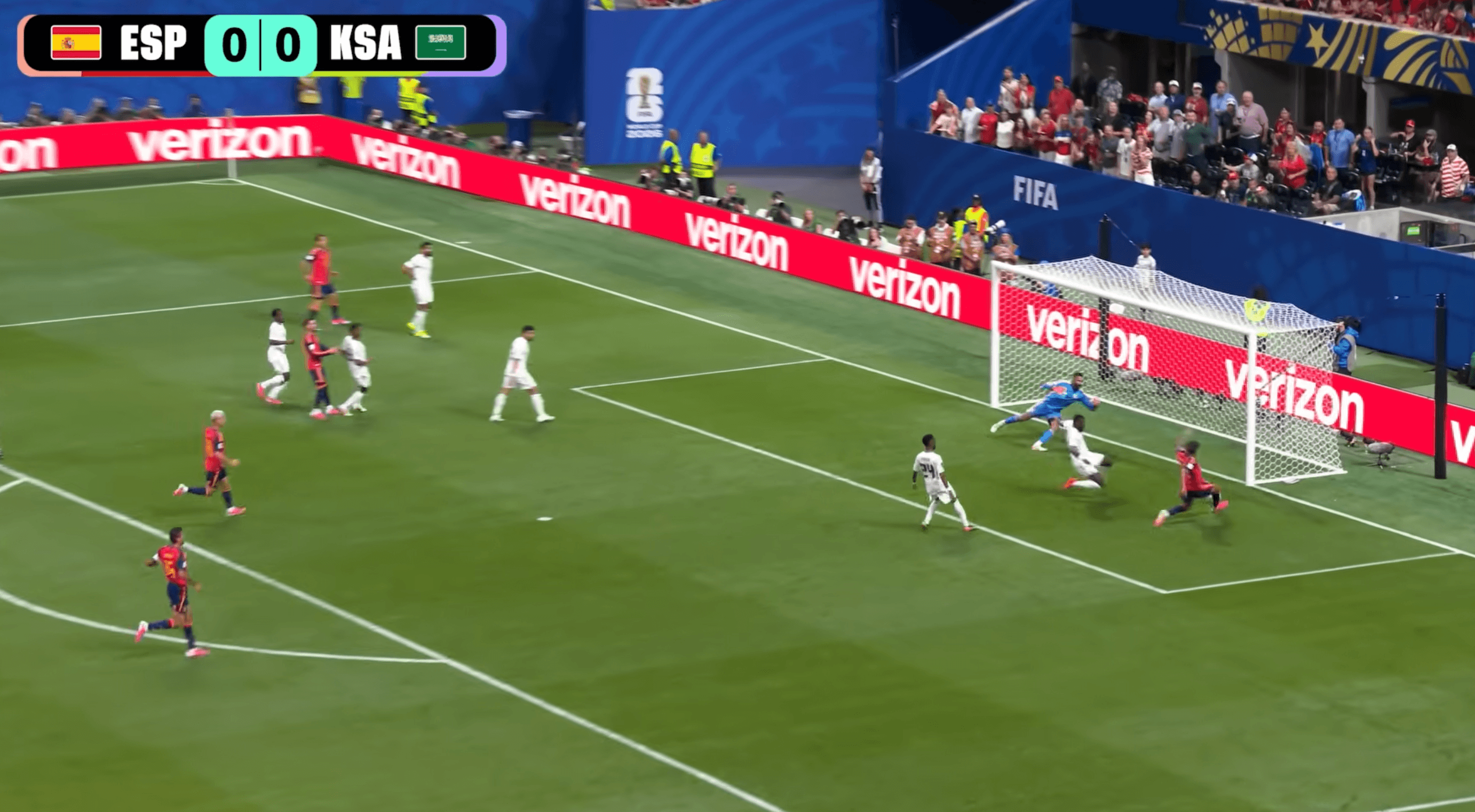
His timing is exceptional. He arrives exactly when the pass does. That is why so many of his finishes are first-time.
From a goalkeeping perspective, first-time finishes are among the hardest to stop because they remove valuable reaction time.
Oyarzabal’s World Cup has been built on exactly those moments. His goals haven’t all looked the same, but they have all reflected the same qualities: intelligent movement, calm finishing and an instinct for arriving in the right place at precisely the right time.
Few forwards make goalkeepers think as constantly as Oyarzabal does. The danger often begins long before the shot.